Titanium Dioxide
A mineral filter often combined with zinc oxide. Permitted under every mineral-only sunscreen ordinance we track. Note that it also appears in color cosmetics as a pigment (CI 77891), which counts as an inactive ingredient there.
No law we track restricts Titanium Dioxide.
Is Titanium Dioxide safe for your skin?
Regulators treat titanium dioxide differently depending on how it is used. The EU banned it as a food additive (E 171) in 2022 because EFSA could not rule out genotoxicity, but that regulation covers food; cosmetics and sunscreens are governed by separate EU law, where it stays an approved UV filter at up to 25%, with limits where it could be inhaled. The FDA has proposed (not finalised) that sunscreens with up to 25% titanium dioxide are safe and effective.
- EU food ban: after EFSA's 2021 opinion, Regulation (EU) 2022/63 removed E 171 from the EU list of authorised food additives (effective from 7 February 2022). EFSA said a genotoxicity concern could not be ruled out. The regulation amends the food additive law only; titanium dioxide remains provisionally allowed as a colour in medicines.
- EU cosmetics and sunscreen: titanium dioxide is listed as a UV filter in the Cosmetics Regulation at up to 25% (entry 27, with the nano form under entry 27a). The EU's 2021 amendment limits inhalable powder to loose face powder and hair aerosol spray, and the nano form may not be used in applications that may expose the lungs by inhalation.
- Sprays and inhalation: the SCCS (2020) judged a typical hair aerosol spray with 25% pigmentary titanium dioxide not safe for consumers or hairdressers, and safe at up to 1.4% (consumers) and 1.1% (hairdressers). For nano-form titanium dioxide in sunscreen sprays, the SCCS (adopted January 2018) said the data were insufficient to assess safety. In 2024 it said these inhalation conclusions stand.
- FDA status: GRASE was proposed in 2019 for titanium dioxide in sunscreens at up to 25%, because it is insoluble and does not meaningfully cross the skin. It remains a proposal; the FDA's September 2026 final order only covered PABA and trolamine salicylate. For sunscreen sprays, the FDA proposed particle-size limits, and said sprays with particles under 5 micrometres (including nanoscale ingredients) would not qualify.
- Classification: the EU's 2019 'suspected carcinogen by inhalation' label for fine titanium dioxide powder was annulled by the EU courts (final ruling 1 August 2025).
- Oral cosmetics: in 2024 the SCCS said the evidence could not exclude genotoxicity for almost all titanium dioxide grades used in oral cosmetic products, such as oral-care products.
Sources (8)
- Commission Regulation (EU) 2022/63: food additive titanium dioxide (E 171)
- Commission Regulation (EU) 2021/850: cosmetics, titanium dioxide (Annexes III, IV, VI)
- SCCS (2020): Titanium dioxide used in cosmetic products that lead to exposure by inhalation (SCCS/1617/20)
- SCCS (2018): Titanium dioxide (nano form) as UV-filter in sprays (SCCS/1583/17)
- SCCS (2024): Scientific advice on titanium dioxide (SCCS/1661/23)
- FDA 2019 Proposed Sunscreen Rule (84 FR 6204)
- FDA: Questions and answers on FDA's regulatory actions on OTC sunscreen
- Court of Justice of the EU press release 99/25 (1 August 2025), France v CWS Powder Coatings
Last reviewed October 14, 2026. This summarises what regulators and published studies found. It isn't medical advice.
Where it’s restricted
No location we track restricts Titanium Dioxide.
Why it’s regulated
The EU removed titanium dioxide (E 171) from its authorised food additives after EFSA concluded in 2021 that a genotoxicity concern could not be ruled out; Regulation (EU) 2022/63 let foods made under the old rules stay on sale until 7 August 2022 and then until their date of minimum durability, and it keeps the substance provisionally authorised as a colour in medicines. For cosmetics, a separate law, Regulation (EU) 2021/850 (applying from 1 October 2021), limited inhalable titanium dioxide powder to loose face powder (25%) and hair aerosol spray (1.4% for consumers), after a 2019 EU classification of the powder as a suspected carcinogen by inhalation. The EU courts annulled that classification (General Court 2022, Court of Justice 1 August 2025).
What the reef research says
The National Academies' 2022 review found only minimal studies of mineral sunscreen ingredients on corals. In a 17-day lab test, Caribbean star coral (Montastraea faveolata) exposed to nano-TiO2 at 0.1 and 10 mg/L expelled its symbiotic algae in every colony without any deaths, and a stress-gene signal seen on day 2 was no longer statistically different by day 7 (Jovanović and Guzmán, 2014). Corinaldesi et al. (2018) tested two coated TiO2 grades used in commercial sunscreens on Acropora corals and saw minimal change to the coral-algae relationship and no bleaching, while uncoated zinc oxide bleached them severely. For aquatic life more broadly, the National Academies committee put the acute protective concentration (HC5) for nano-TiO2 at 3,961 µg/L, but its curve mixes fresh and saltwater species and the committee called saltwater data lacking; toxicity can climb under UV light, as in one daphnid test where the 48-hour EC50 fell from 29,700 to 1,200 µg/L after UVA exposure. The review also says coatings can lower reactive-oxygen production but can dissolve in water, leaving a nearly uncoated particle. Telling sunscreen titanium apart from naturally occurring titanium in field samples remains a research gap.
Sources (14)
- FDA 2019 Proposed Sunscreen Rule (84 FR 6204)
- National Academies (2022): Review of Fate, Exposure, and Effects of Sunscreens in Aquatic Environments
- National Academies (2022), chapter 3: sources, settings and receptors
- National Academies (2022), chapter 6: review of studies on effects of UV filters
- Jovanović and Guzmán 2014, Environ Toxicol Chem: nano-TiO2 and Caribbean reef-building coral
- Corinaldesi et al. 2018, Sci Total Environ: inorganic UV filters and Acropora corals
- Commission Regulation (EU) 2022/63 (E 171)
- Commission Regulation (EU) 2021/850
- Court of Justice of the EU press release 99/25
- FDA: Questions and answers on FDA's regulatory actions on OTC sunscreen
- SCCS/1617/20 (inhalation)
- SCCS/1583/17 (nano TiO2 sprays)
- SCCS/1661/23 (2024 scientific advice)
- 21 CFR 352.10, Sunscreen active ingredients (eCFR; ensulizole, meradimate, octinoxate and octisalate appear under their revised names in the stayed 2002 amendment)
Products that contain it (168)
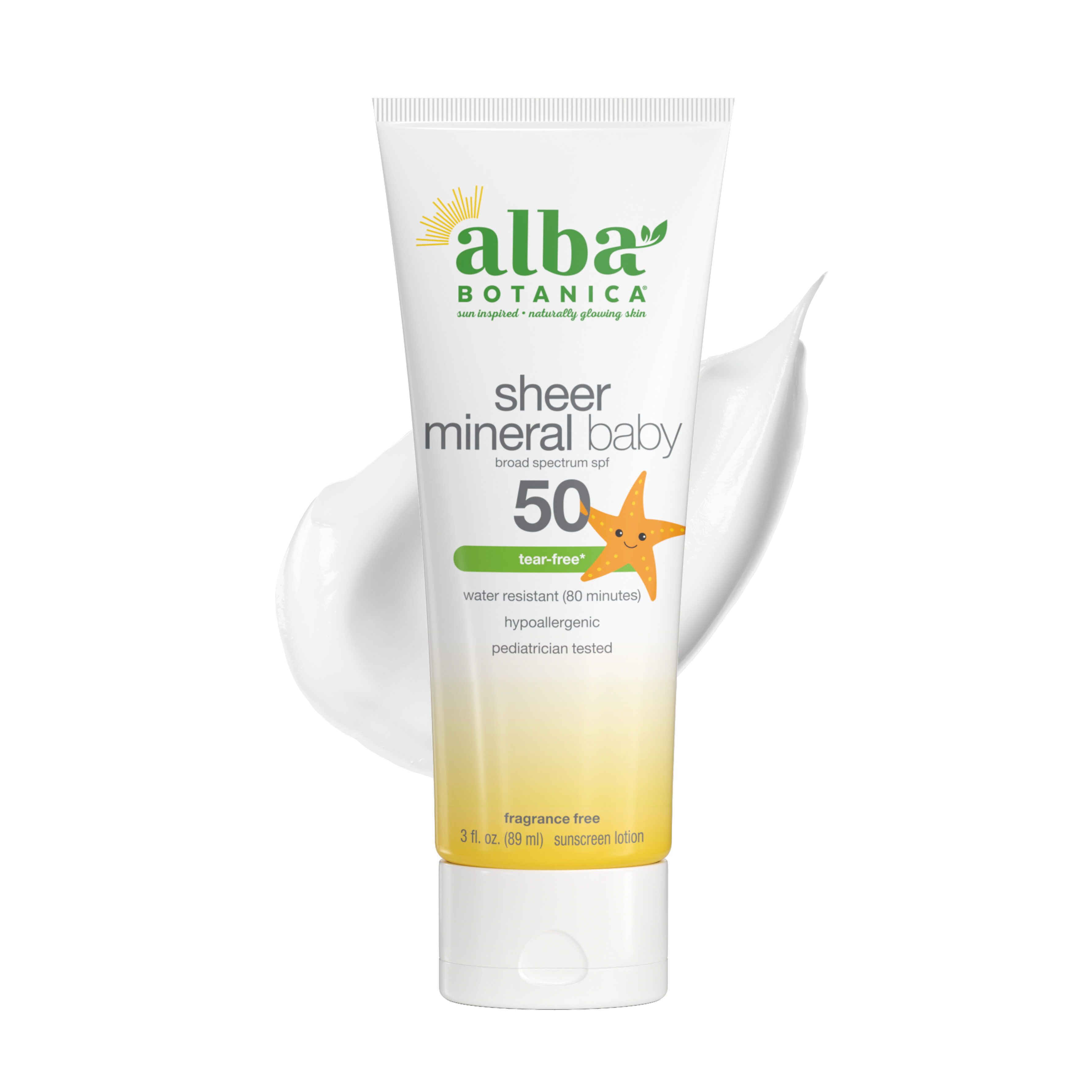
Baby Mineral Sunscreen Lotion SPF 50
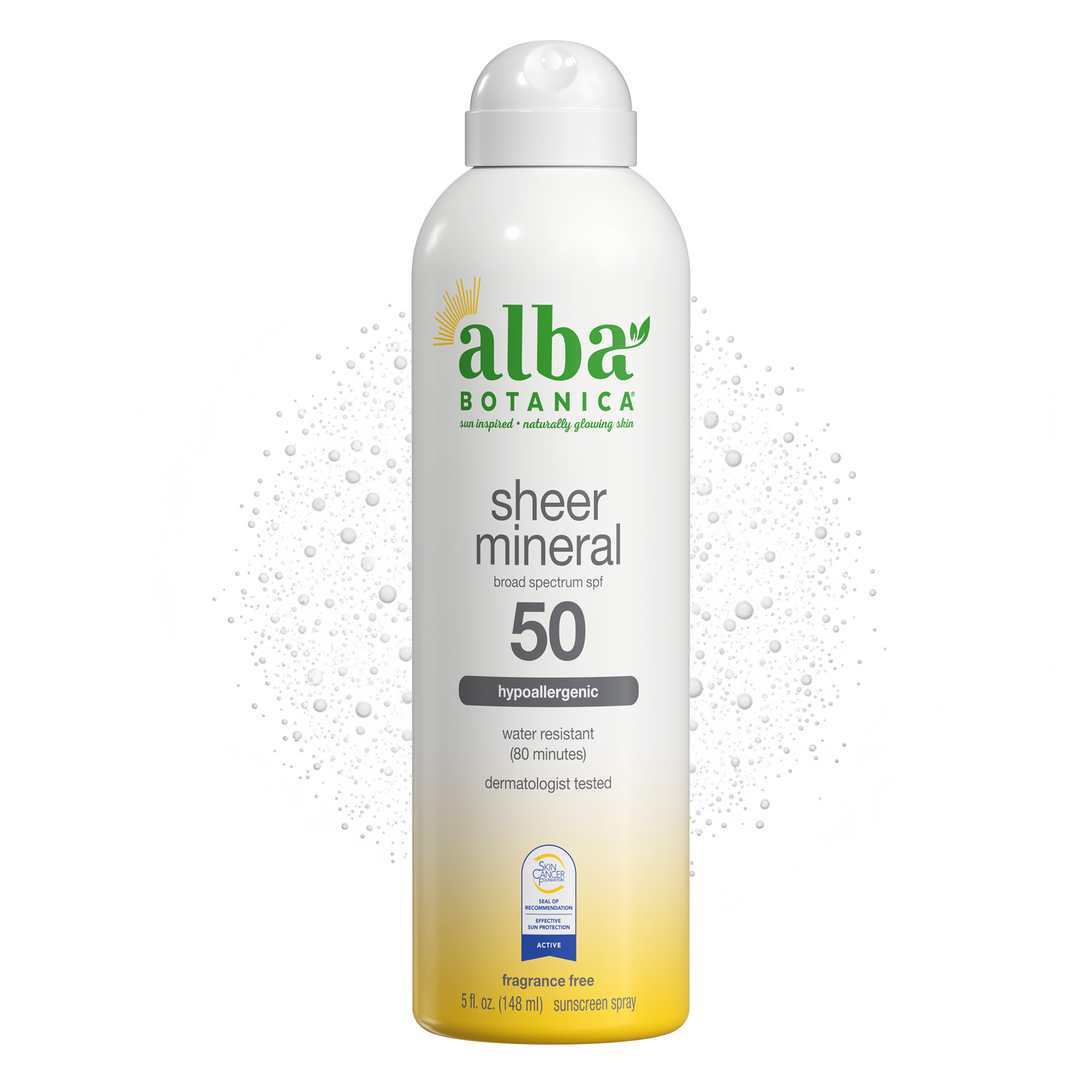
Sheer Mineral Sunscreen Spray SPF 50

SPF 50 Anti-Aging Daily Mineral Sunscreen Facial Moisturizer
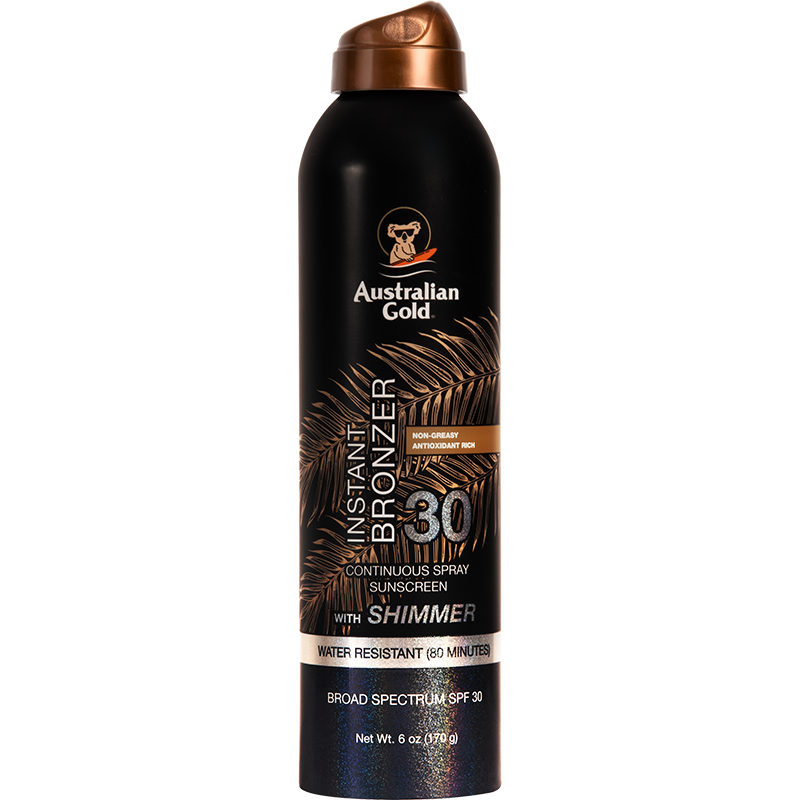
SPF 30 Continuous Spray Bronzer with Shimmer
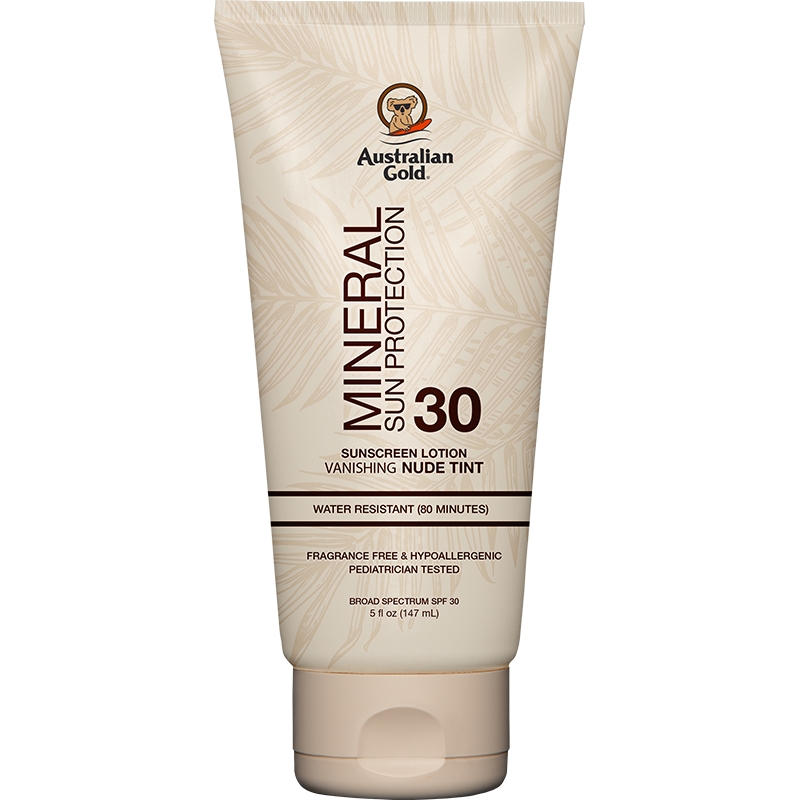
SPF 30 Mineral Body Lotion
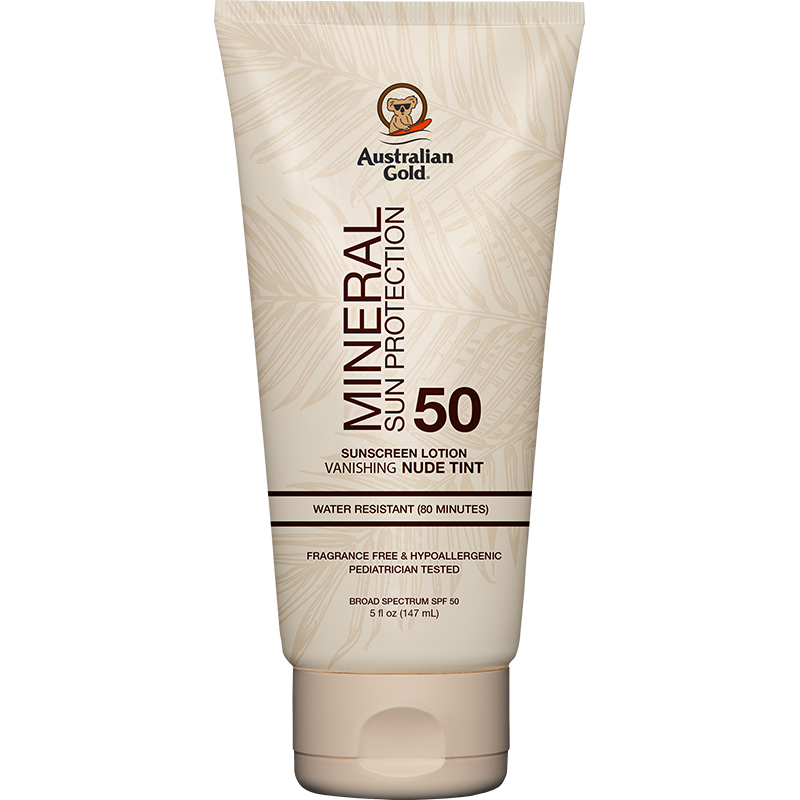
SPF 50 Mineral Body Lotion
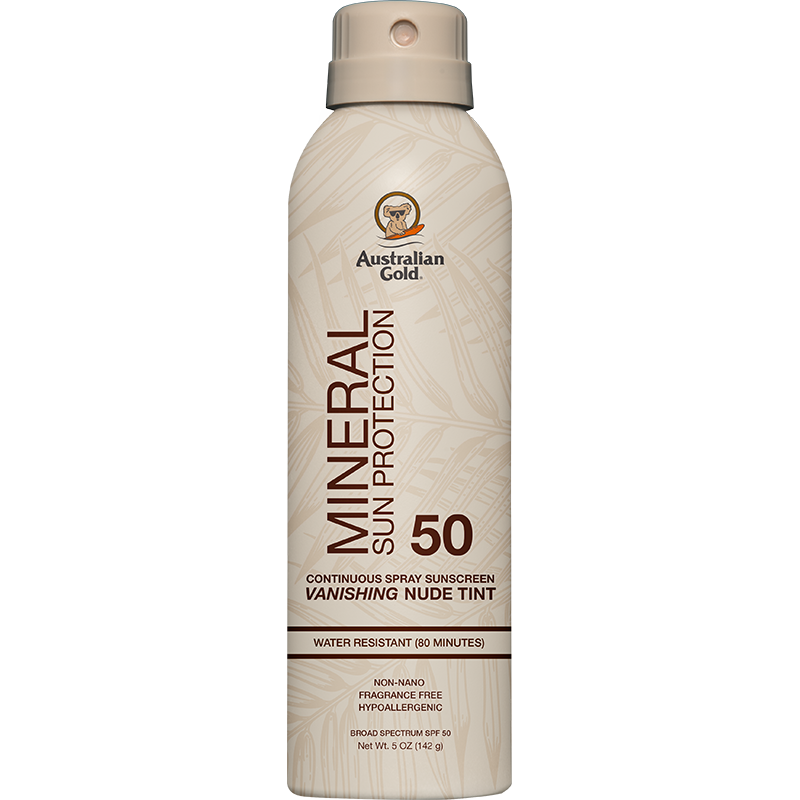
SPF 50 Mineral Continuous Spray
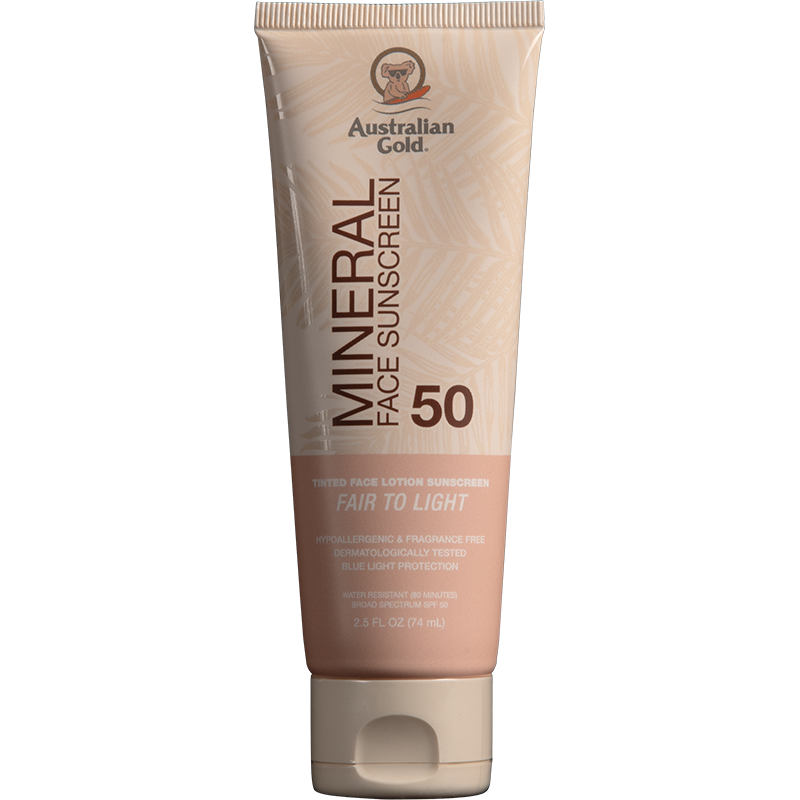
Mineral SPF 50 Tinted Face
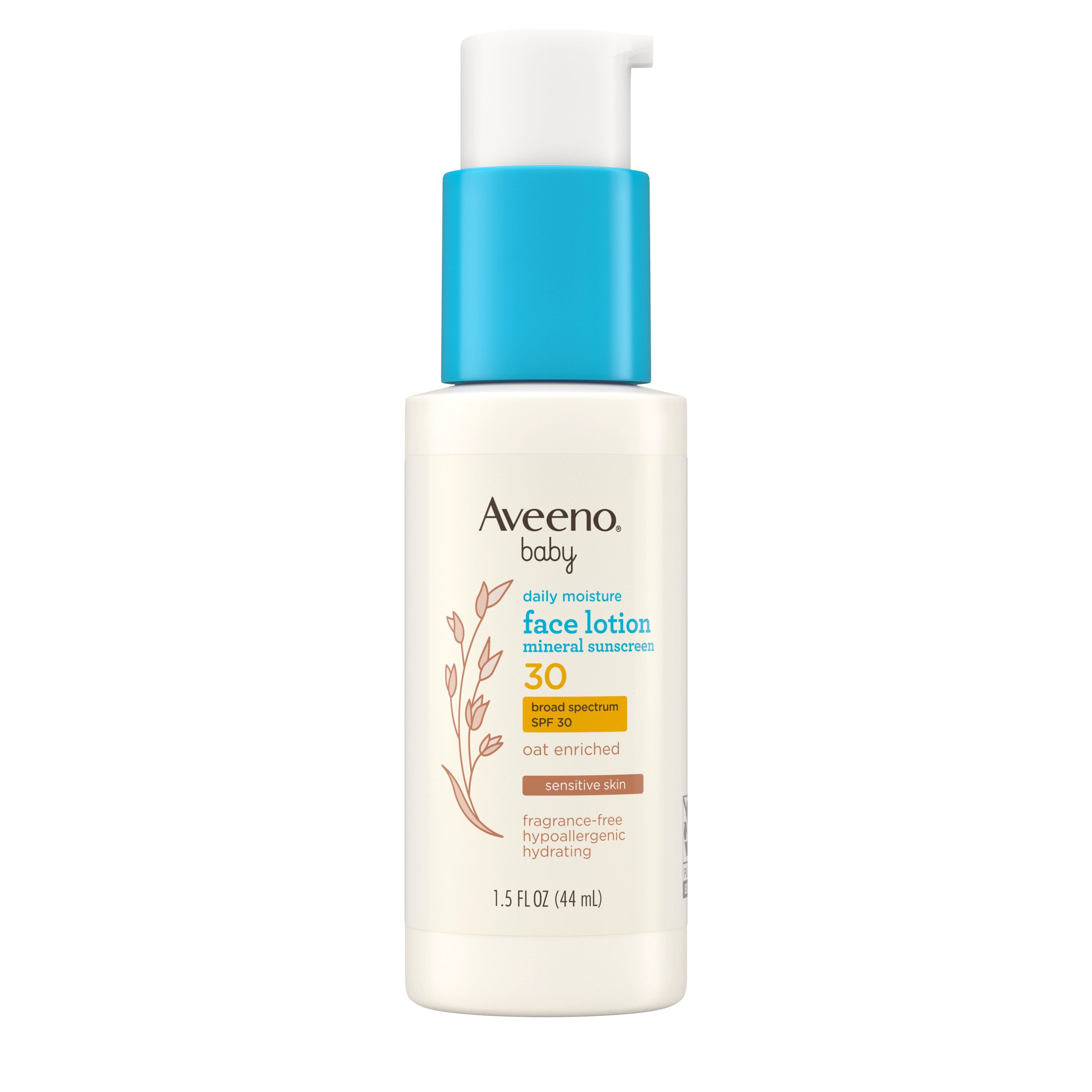
Baby Daily Moisture Face Lotion & Mineral Sunscreen SPF 30
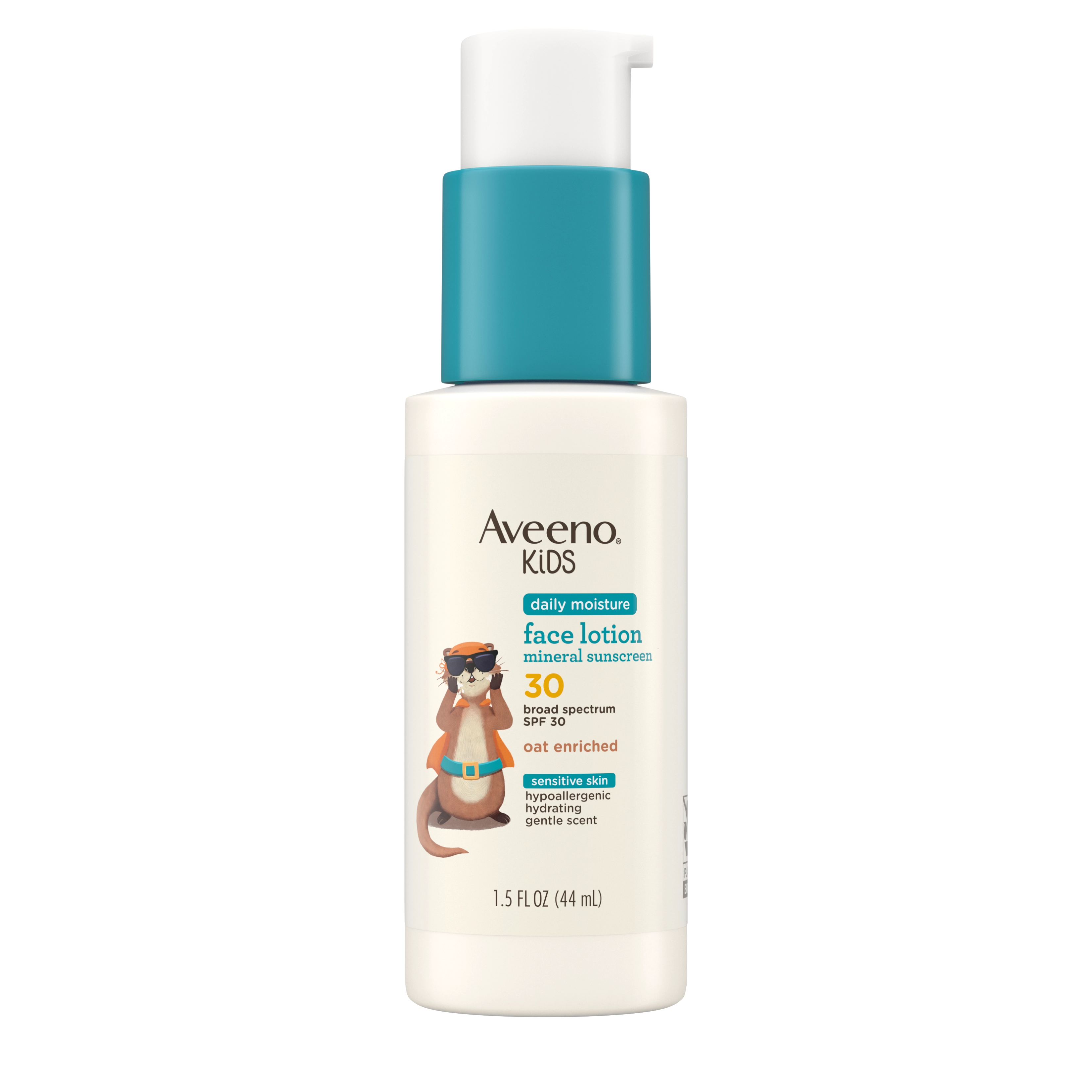
Kids Daily Moisture Face Lotion & Mineral Sunscreen SPF 30
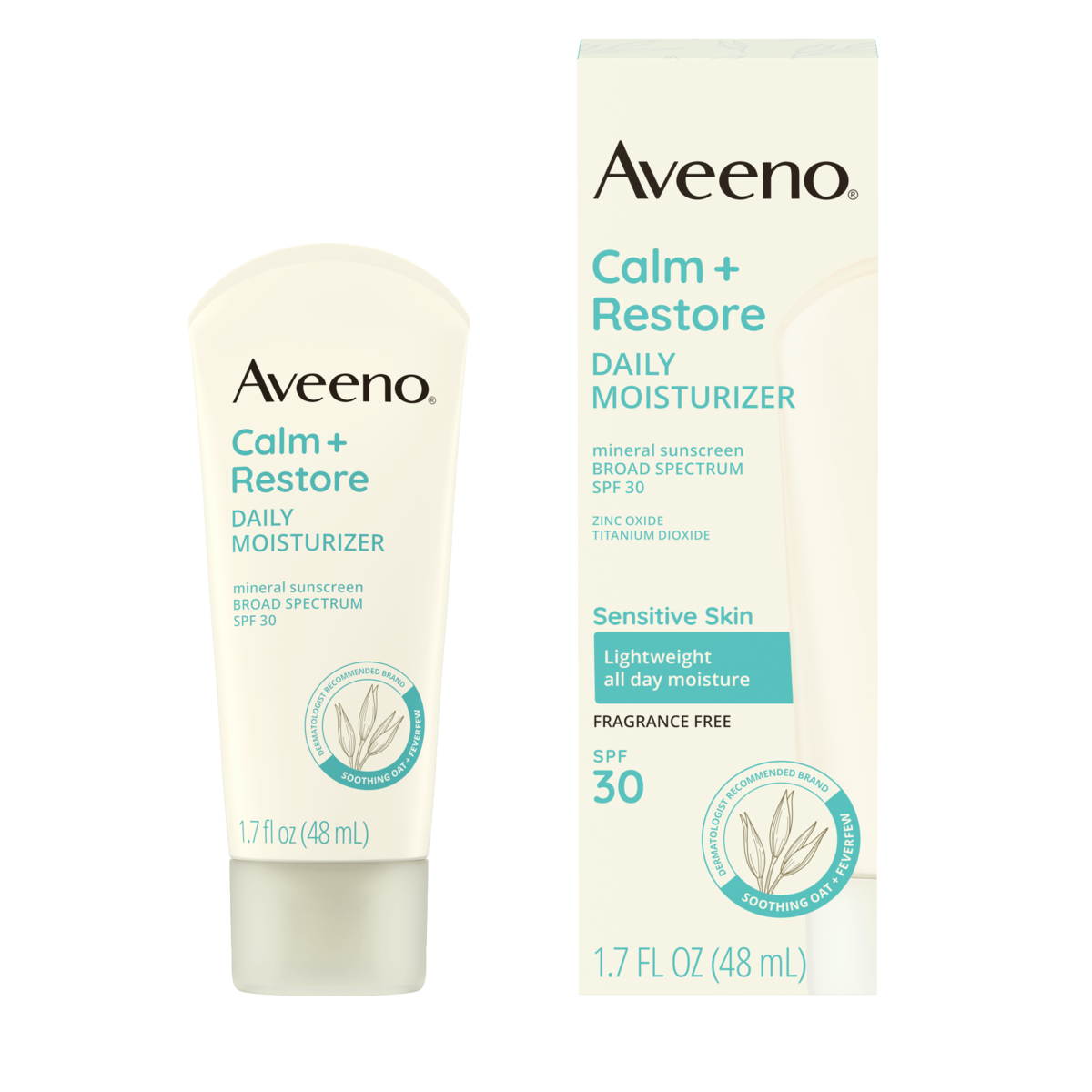
Calm + Restore Daily Moisturizer Mineral Sunscreen SPF 30
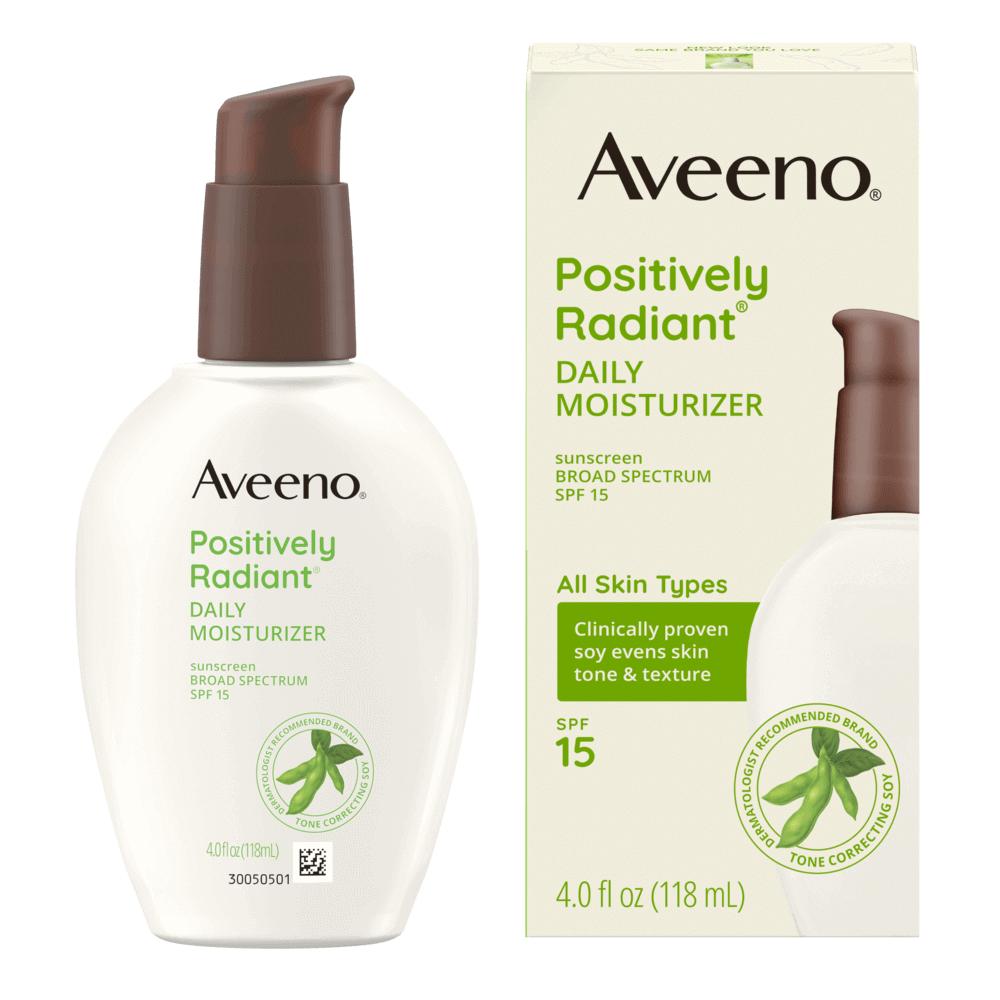
Positively Radiant Daily Face Moisturizer SPF 15
See all 168 products that list titanium dioxide →
Related ingredients: Zinc Oxide, Nanoparticles (nano-sized minerals), Avobenzone
Last reviewed October 14, 2026.