Bemotrizinol (Tinosorb S)
A modern, photostable broad-spectrum filter long used in Europe, Asia and Australia and permitted in US sunscreens since 2026. Palau is the only reef law we track that names it.
Banned in
- Palau
Also excluded where only mineral sunscreen is allowed
- Maui County
- Hawaiʻi County
Where it’s restricted
Named in the law or guidance
| Location | Status | Since |
|---|---|---|
| Palau law text ↗ | In force | January 1, 2020 |
Also not allowed under mineral-only rules
Bemotrizinol (Tinosorb S) isn’t named in these laws, but they allow only mineral (zinc oxide or titanium dioxide) sunscreens, so a product containing it is excluded anyway.
- Maui County (Maui, Molokaʻi, Lānaʻi) (in force since October 1, 2022)
- Hawaiʻi County (Big Island) (in force since December 1, 2022)
Why it’s regulated
FDA's June 10, 2026 final order caps bemotrizinol at 6 percent and sets conditions on concentration, combinations and dosage forms. The order followed a September 23, 2024 request from DSM Nutritional Products, which asked FDA to find the ingredient generally recognized as safe and effective.
What the reef research says
A 2020 study found no effect from bemotrizinol (BEMT) on the brine shrimp Artemia salina or the microalga Tetraselmis sp., even at 2 mg/L. A 2022 sea urchin (Paracentrotus lividus) study found that sunscreens with only MBBT, DHHB, BEMT or EHT as UV filters were more eco-compatible than products with other filters or ingredients. BEMT was measured in seawater at bathing sites in the Western Mediterranean in summer 2022. A 2026 survey of fishing-port sediment in Dalian, China, listed BEMT, named UV-627 in that paper, among compounds identified as ecological risk compounds. In a 2025 study, microbes in Toulon Harbor sediment did not degrade BEMT in microcosms.
Sources (8)
- Effect of 10 UV Filters on the Brine Shrimp Artemia salina and the Marine Microalga Tetraselmis sp. (Toxics, 2020)
- Assessing the eco-compatibility of new generation sunscreen products through a combined microscopic-molecular approach (Environ Pollut, 2022)
- Targeted and untargeted discovery of UV filters and emerging contaminants with environmental risk assessment on the Northwestern Mediterranean coast (Mar Pollut Bull, 2025)
- Unveiling pollution of benzophenone and triazine-derived ultraviolet filters in fishing-port sediment (Ecotoxicol Environ Saf, 2026)
- Marine sediments microbes degrade a limited repertoire of organic UV filters (Environ Sci Pollut Res, 2025)
- Federal Register 2026-11578: Amending Over-the-Counter Monograph M020 (June 10, 2026)
- FDA OTC Monographs: Final Administrative Order OTC000039 (bemotrizinol)
- FDA: Questions and answers on FDA's regulatory actions on OTC sunscreen
Products that contain it (2)
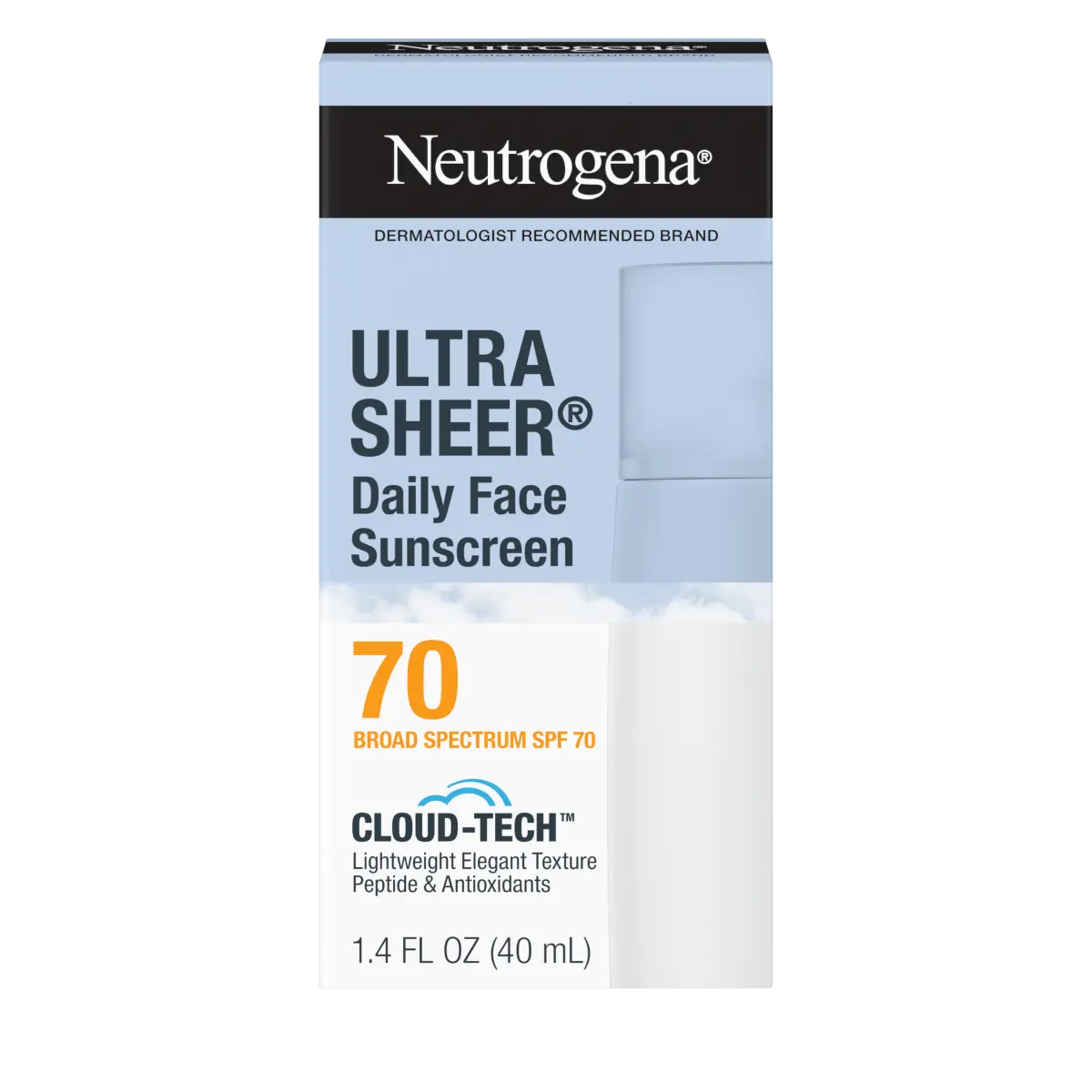
Ultra Sheer Daily Face Sunscreen SPF 70 with BEMT
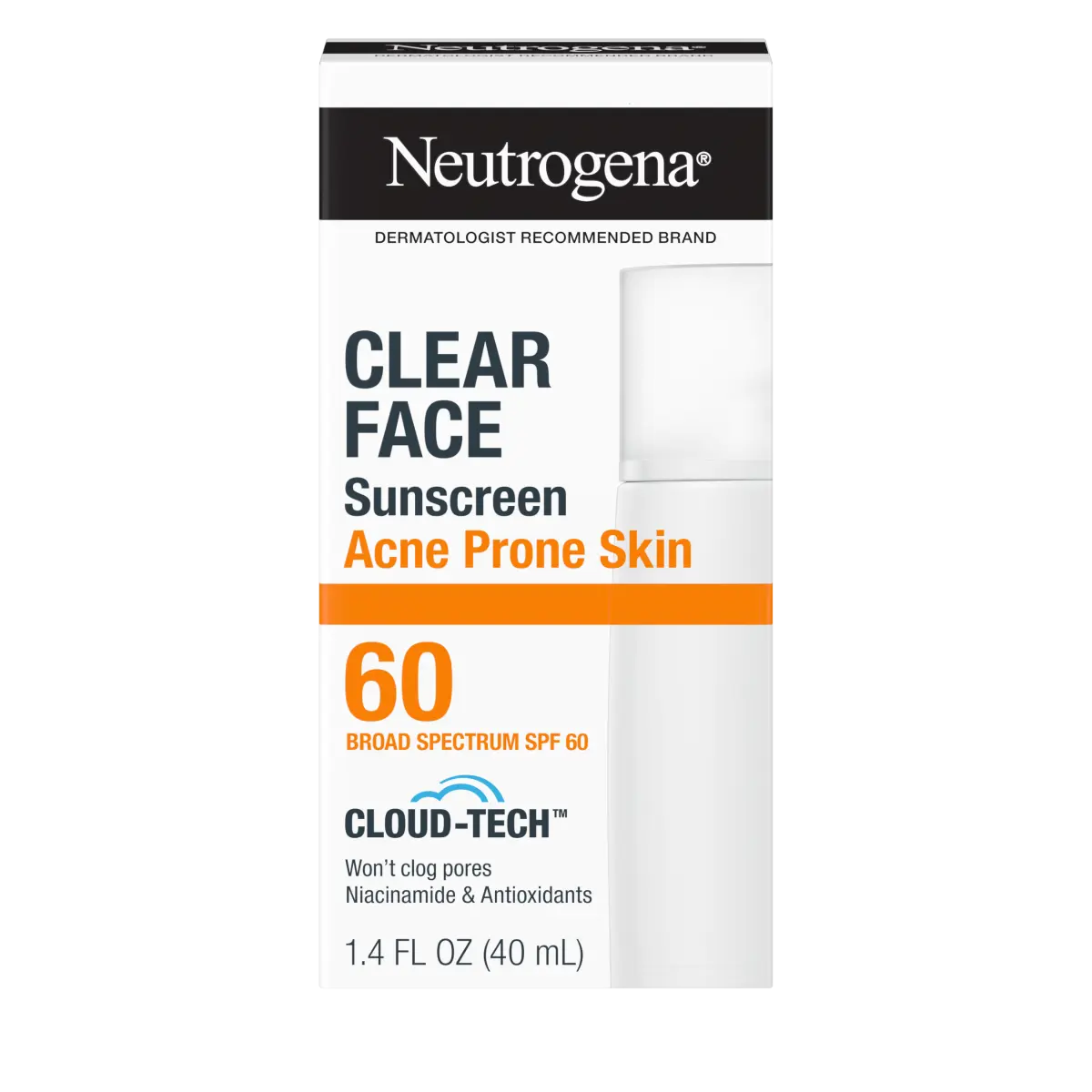
Clear Face Sunscreen for Acne-Prone Skin SPF 60 with BEMT
Search these products that list bemotrizinol →
Related ingredients: Ethylhexyl Triazone (Uvinul T 150), Bisoctrizole (Tinosorb M), DHHB (Uvinul A Plus)
Last reviewed October 14, 2026.