Palau sunscreen law
Palau has the world's strictest national sunscreen rule. Since January 1, 2020, 'reef-toxic' sunscreen may not be sold, imported, made or brought into the country. Regulations adopted in March 2020 widened the banned list to every class of chemical UV filter, plus parabens, triclosan, triclocarban and phenoxyethanol. In practice, only zinc oxide and/or titanium dioxide sunscreens without those preservatives are legal. Non-compliant sunscreen is confiscated on arrival.
Last verified October 14, 2026 · Responsible Tourism Education Act of 2018 (RPPL No. 10-30), 24 PNC ch. 12, subch. VII; MNRET Regulations Prohibiting Reef-Toxic Sunscreens (2020)
What’s allowed
Only sunscreens whose active ingredients are Zinc Oxide and/or Titanium Dioxide. Every chemical UV filter — including ones not named in any state law, like homosalate and octisalate — is excluded.
| Ingredient | Also called | Type |
|---|---|---|
| Oxybenzone | benzophenone-3, benzophenone 3 | UV filter |
| Octinoxate | ethylhexyl methoxycinnamate, octyl methoxycinnamate | UV filter |
| Octocrylene | 2-ethylhexyl 2-cyano-3,3-diphenylacrylate, octocrilene | UV filter |
| 4-Methylbenzylidene Camphor (Enzacamene) | enzacamene, 4-mbc | UV filter |
| Avobenzone | butyl methoxydibenzoylmethane, parsol 1789 | UV filter |
| Homosalate | homomenthyl salicylate, 3,3,5-trimethylcyclohexyl salicylate | UV filter |
| Octisalate | ethylhexyl salicylate, octyl salicylate | UV filter |
| Ensulizole | phenylbenzimidazole sulfonic acid, 2-phenylbenzimidazole-5-sulfonic acid | UV filter |
| Ecamsule (Mexoryl SX) | terephthalylidene dicamphor sulfonic acid, mexoryl sx | UV filter |
| Meradimate | menthyl anthranilate | UV filter |
| Padimate O | padimate-o, ethylhexyl dimethyl paba | UV filter |
| Sulisobenzone | benzophenone-4, benzophenone 4 | UV filter |
| Dioxybenzone | benzophenone-8, benzophenone 8 | UV filter |
| Cinoxate | UV filter | |
| Trolamine Salicylate | triethanolamine salicylate | UV filter |
| PABA (Aminobenzoic Acid) | para-aminobenzoic acid, paba | UV filter |
| Bemotrizinol (Tinosorb S) | bis-ethylhexyloxyphenol methoxyphenyl triazine, tinosorb s | UV filter |
| Bisoctrizole (Tinosorb M) | methylene bis-benzotriazolyl tetramethylbutylphenol, tinosorb m | UV filter |
| Drometrizole Trisiloxane (Mexoryl XL) | mexoryl xl | UV filter |
| Ethylhexyl Triazone (Uvinul T 150) | octyl triazone, uvinul t 150 | UV filter |
| Iscotrizinol (Uvasorb HEB) | diethylhexyl butamido triazone, uvasorb heb | UV filter |
| DHHB (Uvinul A Plus) | uvinul a plus, dhhb | UV filter |
| Polysilicone-15 (Parsol SLX) | polysilicone 15, parsol slx | UV filter |
| Amiloxate (IMC) | isoamyl p-methoxycinnamate, isoamyl methoxycinnamate | UV filter |
| Tris-Biphenyl Triazine (Tinosorb A2B) | tris biphenyl triazine, tinosorb a2b | UV filter |
| Bisdisulizole Disodium (Neo Heliopan AP) | disodium phenyl dibenzimidazole tetrasulfonate, neo heliopan ap | UV filter |
| Triclosan | Preservative | |
| Triclocarban | trichlorocarbanilide | Preservative |
| Phenoxyethanol | 2-phenoxyethanol | Preservative |
| Methylparaben | methyl paraben, methyl 4-hydroxybenzoate | Preservative |
| Ethylparaben | ethyl paraben | Preservative |
| Propylparaben | propyl paraben | Preservative |
| Butylparaben | butyl paraben | Preservative |
| Benzylparaben | benzyl paraben | Preservative |
| Isobutylparaben | isobutyl paraben | Preservative |
| Isopropylparaben | isopropyl paraben | Preservative |
The details
- The 2018 Act named ten chemicals: oxybenzone, octinoxate, octocrylene, 4-MBC (enzacamene), triclosan, methylparaben, ethylparaben, butylparaben, benzylparaben and phenoxyethanol. It also let the Minister ban more by regulation. The import/manufacture ban started when the Act was signed on October 25, 2018; the sale and entry bans started January 1, 2020.
- The 2020 Regulations (MNRET) ban whole chemical classes, including all 'other' members of each class: anthranilates, benzimidazole sulfonates, benzophenones, benzylidene camphors, cinnamates, dibenzoylmethanes, diphenylacrylates, PABA derivatives, salicylates and triazines/triazoles. They also ban seven named parabens plus all other parabens, triclosan, triclocarban and phenoxyethanol. The government's March 24, 2020 press release says this leaves only zinc oxide and/or titanium dioxide actives legal.
- We encode the rule as mineral-only for active ingredients, plus a list of banned inactive preservatives. The regulations also name other filters not in our ID list, all covered by the class bans, such as 3-benzylidene camphor, benzylidene camphor sulfonic acid, camphor benzalkonium methosulfate, PEG-25 PABA and phenylene bis-diphenyltriazine.
- Travelers: bringing reef-toxic sunscreen into Palau 'for any reason' is unlawful. Customs confiscates it at entry, with disposal bins before the customs check at the airport. Customs may set up a way to return items on departure. Products whose ingredients cannot be read (missing label or a foreign-language label) are confiscated.
- Penalties: the Act allows civil fines of up to $1,000 per violation for selling. The regulations set up to $100 per unit, capped at $5,000 per enforcement action for sale or distribution and $10,000 for manufacture or import.
- The regulations say the Minister may add or remove ingredients based on scientific evidence. No later amendment was found; the regulation text and appendix used here are from the 2020 official PDF.
History
- January 1, 2020 · Took effect Sunscreen rule took effect.
We last re-read this law’s sources on October 14, 2026. All law updates →
Sunscreens allowed in Palau
291 of 988 products we track pass; 692 don’t.Browse all 291 →
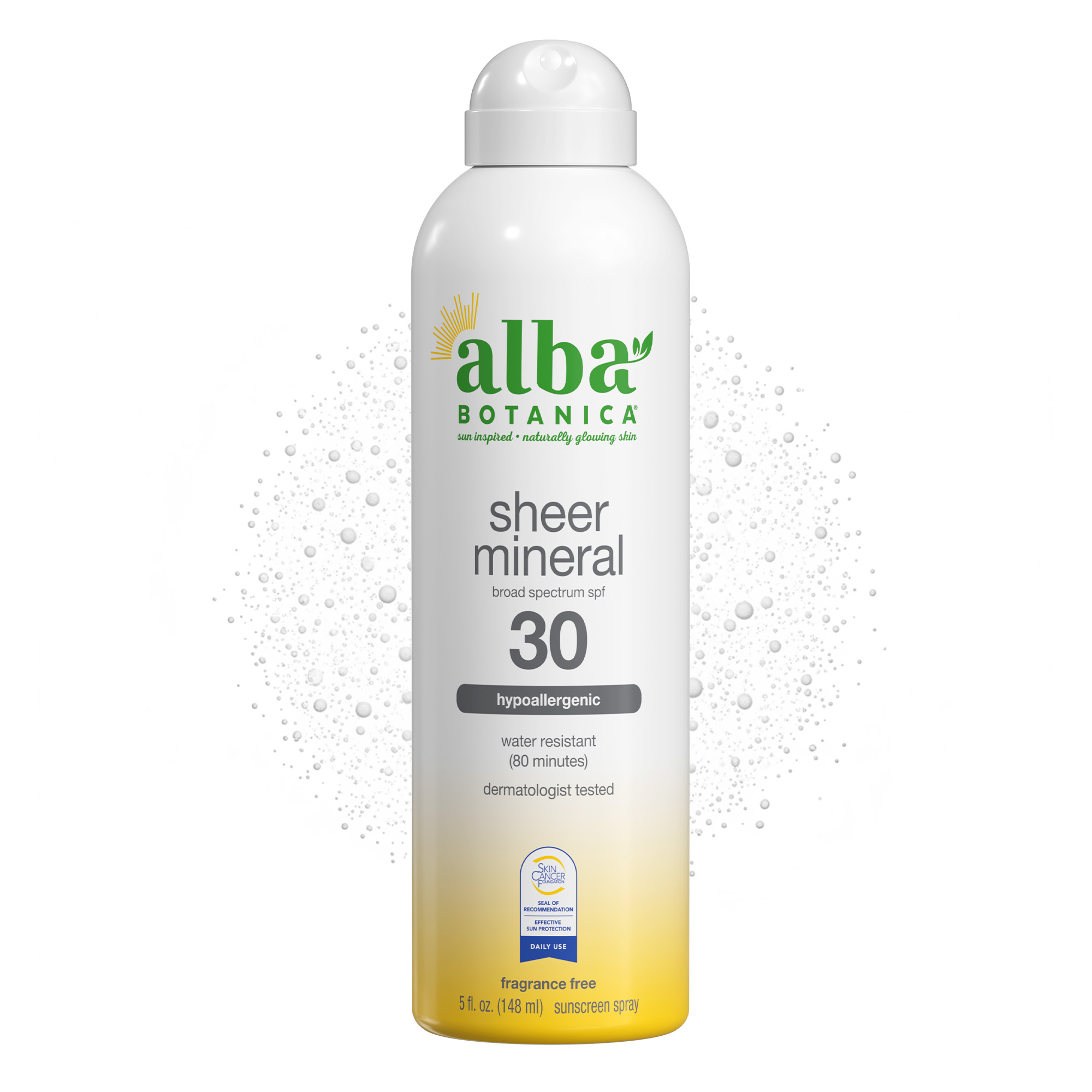
Sheer Mineral Sunscreen Spray SPF 30
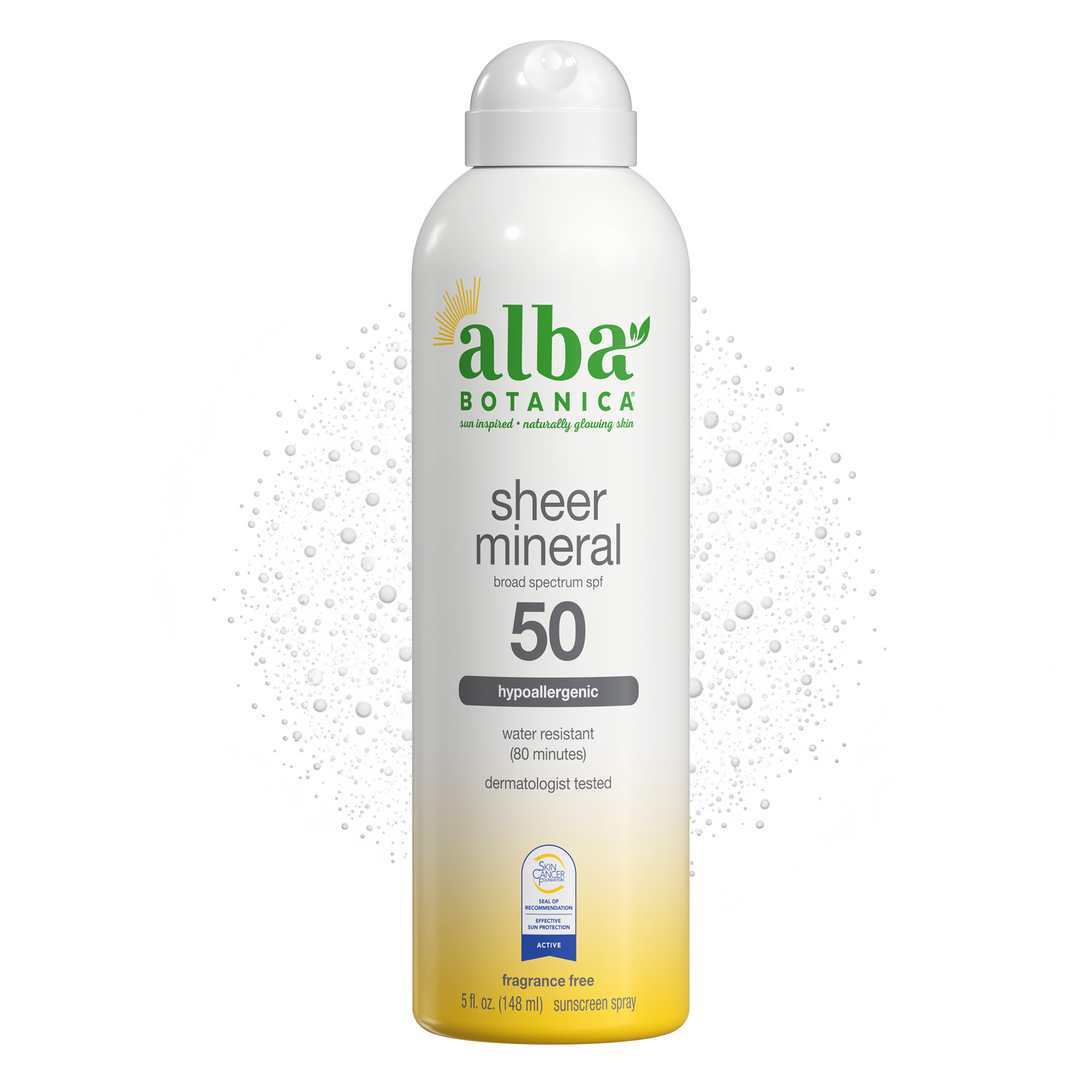
Sheer Mineral Sunscreen Spray SPF 50

SPF 30 Sport Mineral Sunscreen Lotion

SPF 30 Kids Mineral Sunscreen Lotion

SPF 30 Sport Mineral Sunscreen Spray

SPF 30 Kids Mineral Sunscreen Spray

Mineral Sunstick SPF 30 - Sport (Unscented)

Mineral Sunstick SPF 30 - Coconut

SPF 30 Mineral Facial Sunscreen

SPF 50 Anti-Aging Daily Mineral Sunscreen Facial Moisturizer

SPF 30 Tinted Mineral Sunscreen

SPF 50 Sport Mineral Sunscreen Butter
By brand
Common questions
What sunscreen ingredients are banned in Palau?
Only sunscreens whose active ingredients are Zinc Oxide and Titanium Dioxide are permitted. Any other active ingredient is not allowed.
When did the Palau sunscreen rule take effect?
January 1, 2020.
Which sunscreens are allowed in Palau?
Of the 988 products we track, 291 meet the Palau rule. The simplest choice is a sunscreen with only zinc oxide and/or titanium dioxide as active ingredients.