Methylparaben
A common preservative named in Palau's reef-toxic chemical list.
Banned in
- Palau
Is Methylparaben safe for your skin?
The EU's scientific committee (SCCS, 2023, corrigendum 2024) judged methylparaben safe as a cosmetic preservative at up to 0.4% on its own, or 0.4% within a 0.8% ester mixture, after weighing endocrine concerns. The FDA has no paraben-specific preservative rule and says it has no information showing that parabens as used in cosmetics affect human health.
- EU limit: the SCCS found methylparaben safe up to 0.4% (as acid) alone, and up to 0.4% in a mixture of esters totalling no more than 0.8% (Annex V, entry 12 of the Cosmetics Regulation).
- Margin of safety: for a worst-case aggregate exposure of 0.671 mg/kg bw/day across all cosmetic categories, the SCCS calculated a margin of safety of 557. Values above 100 were treated as safe.
- Hormone effects: the SCCS saw weak estrogenic activity in some lab assays, only at high concentrations, and signs of anti-androgenic activity in rat studies at high oral doses (reduced anogenital distance in male pups at the top dose). It said human data do not show adverse effects.
- Data gap: no valid human skin-absorption study exists, so the SCCS assumed 50% absorption and said a well-performed absorption study could further support its conclusion.
- Skin: the SCCS considers methylparaben not irritating to skin or eyes and not a skin sensitiser.
- FDA: it has no special rules for cosmetic preservatives and says it has no information that parabens as used in cosmetics affect human health, while it keeps reviewing studies. It will advise the public if it finds a hazard.
- Scope: the SCCS assessment covers human safety only; it did not assess environmental safety.
- EU SCCS Opinion on Methylparaben (SCCS/1652/23, final Dec 2023, corrigendum Feb 2024)
- FDA: Parabens in Cosmetics
Last reviewed October 14, 2026. This summarises what regulators and published studies found. It isn't medical advice.
Where it’s restricted
Named in the law or guidance
| Location | Status | Since |
|---|---|---|
| Palau law text ↗ | In force | January 1, 2020 |
What the reef research says
No study that tested methylparaben on corals turned up in this research. The nearest coral result, Danovaro et al. 2008, found complete bleaching of Acropora corals with butylparaben, a different paraben; methylparaben is not among the compounds they list as causing bleaching. In a marine copepod (Tigriopus japonicus), the acute LC50 of methylparaben was 29,754 µg/L for males and 38,183 µg/L for females (Kang et al. 2019), lower toxicity than ethylparaben or propylparaben. In the freshwater water flea Daphnia magna (Lee et al. 2017), the 21-day reproduction no-effect concentration was 1 mg/L, and UV light made methylparaben more harmful.
Sources (5)
- EU SCCS Opinion on Methylparaben (SCCS/1652/23, final Dec 2023, corrigendum Feb 2024)
- FDA: Parabens in Cosmetics
- Danovaro et al. 2008, Environ Health Perspect: Sunscreens cause coral bleaching by promoting viral infections
- Kang et al. 2019, Chemosphere: Effects of methylparaben, ethylparaben, and propylparaben on life parameters and sex ratio in the marine copepod Tigriopus japonicus
- Lee et al. 2017, Ecotoxicology: Phototoxicity and chronic toxicity of methyl paraben and 1,2-hexanediol in Daphnia magna
Products that contain it (13)
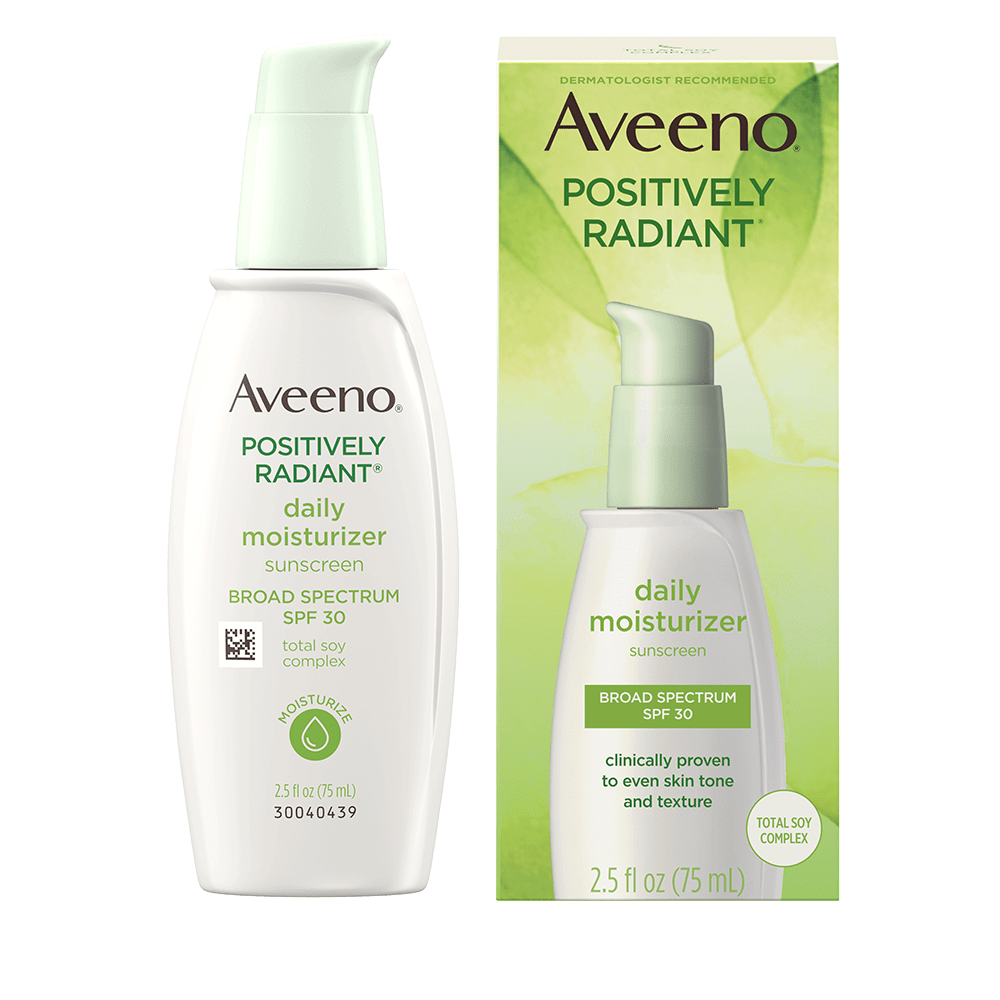
Positively Radiant Daily Face Moisturizer SPF 30 (earlier formula)Discontinued
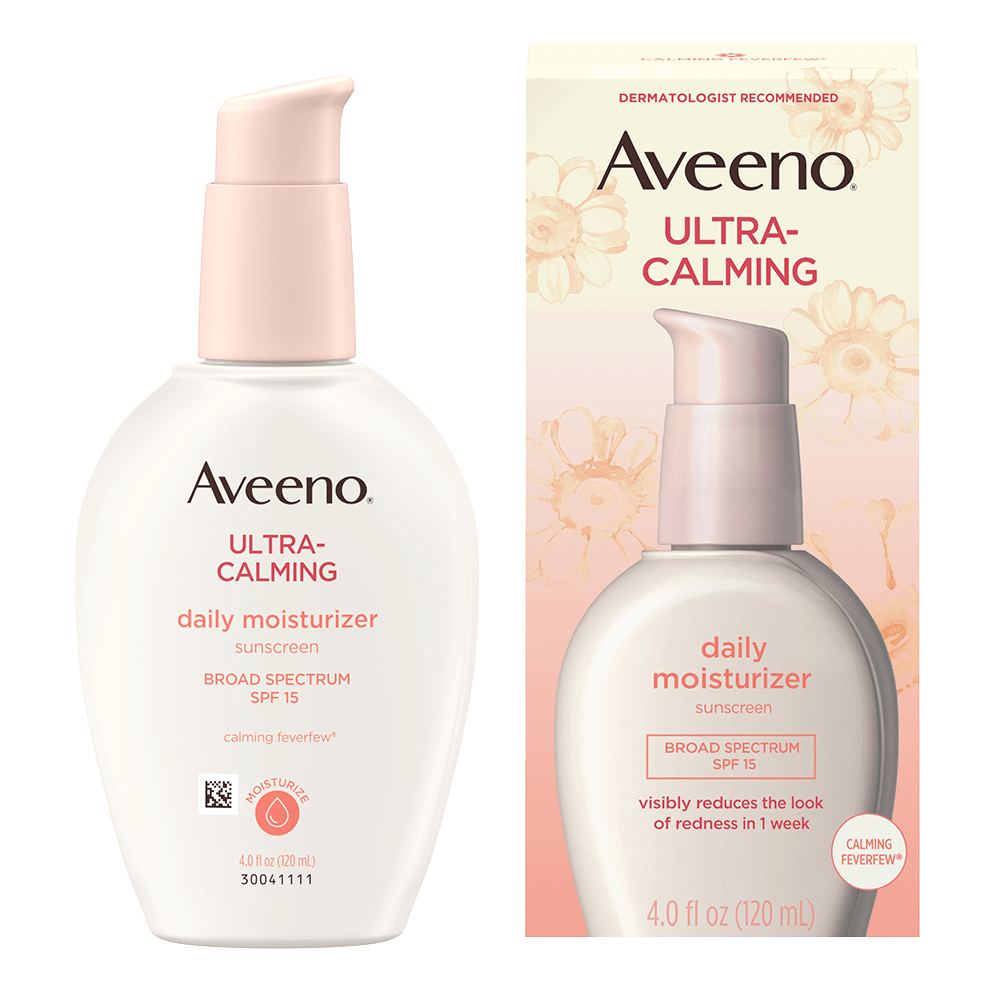
Ultra-Calming Daily Face Moisturizer SPF 15Discontinued
Daily Moisturizing Lotion Sunscreen SPF 15Discontinued
Sport Ultra Sunscreen Lotion SPF 100 (octocrylene 8% formula)
Kids Sport Sunscreen Lotion Spray SPF 50+ (9.5 oz twin pack)
Kids Max Protect & Play Sunscreen Lotion SPF 100 (octocrylene 8% formula)
AM Facial Moisturizing Lotion SPF 30 (earlier formula)Discontinued

Kids Tear Free Sunscreen Lotion SPF 50
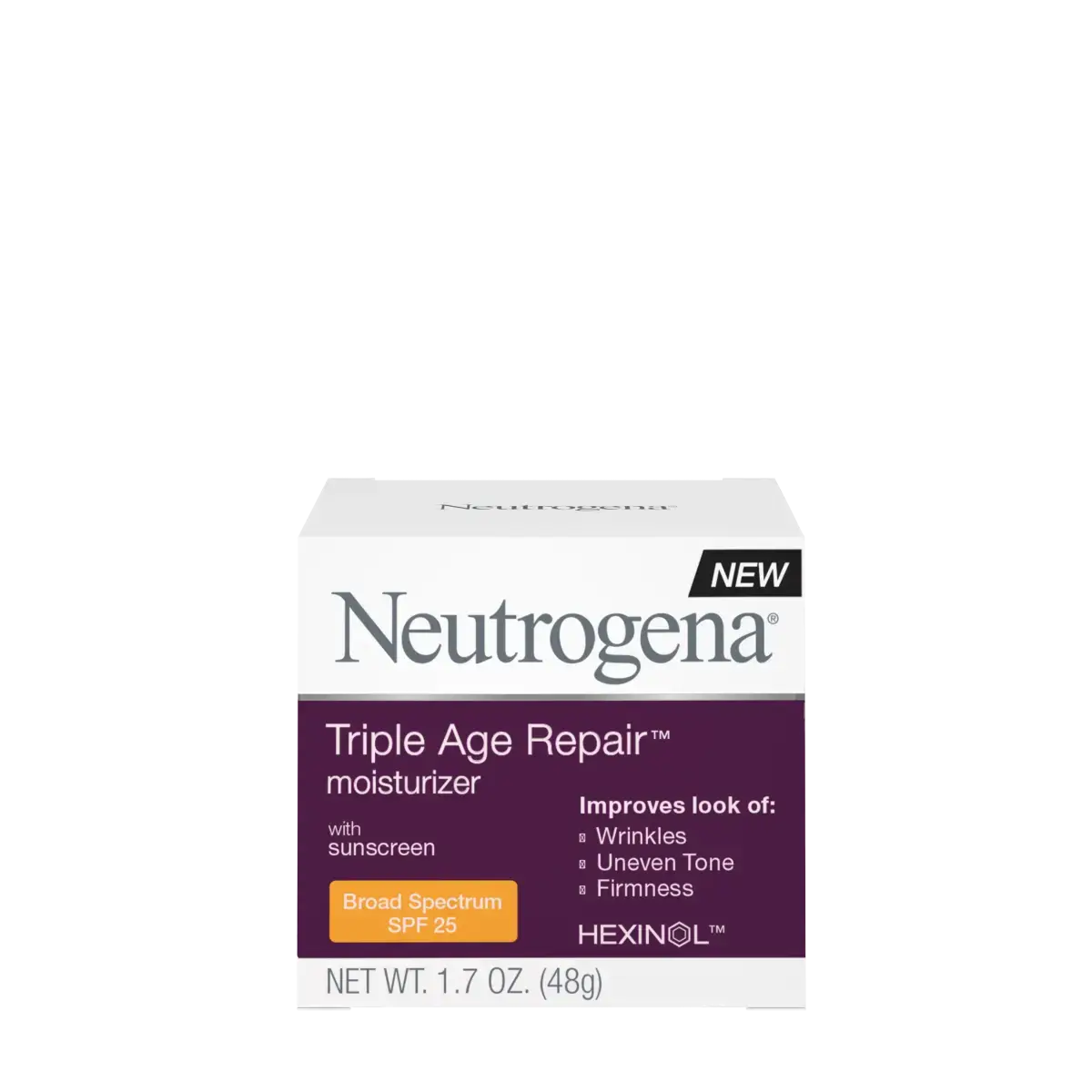
Triple Age Repair Moisturizer SPF 25
Sport Dry Touch Sunscreen SPF 85 (earlier formula)Discontinued
Sport Sunscreen Lotion SPF 15 (earlier formula)Discontinued
Sunscreen Lotion SPF 8 (earlier formula)Discontinued
See all 13 products that list methylparaben →
Related ingredients: Ethylparaben, Propylparaben, Butylparaben, Phenoxyethanol
Last reviewed October 14, 2026.