Octinoxate
A UVB filter banned alongside oxybenzone in nearly every jurisdiction with a sunscreen law, including Hawaii's original 2018 statute.
Banned in
- Hawaii
- U.S. Virgin Islands
- Palau
- Guam
- Northern Mariana Islands
- Thailand
Also excluded where only mineral sunscreen is allowed
- Maui County
- Hawaiʻi County
Is Octinoxate safe for your skin?
The FDA lists it among 12 filters that need more data, and says that is a request for data, not a finding that they are unsafe.
- FDA: octinoxate is one of 12 sunscreen filters proposed in 2021 as not yet generally recognised as safe and effective because more data is needed. FDA says this is not a conclusion that they are unsafe. Its September 2026 final order removed only PABA and trolamine salicylate; the other proposals are left to future orders.
- EU SCCS (2025, SCCS/1671/24): found octinoxate is endocrine-active, with estrogenic and weak anti-androgenic activity in vitro and in vivo. It nonetheless gave the opinion that octinoxate is safe at up to 10% in sunscreen, face, hand and lip products, including for children. Its remit did not cover environmental safety.
- FDA: Questions and answers on FDA's regulatory actions on over-the-counter sunscreen
- SCCS (European Commission) 2025: Opinion on Ethylhexyl Methoxycinnamate (EHMC), SCCS/1671/24
Last reviewed October 14, 2026. This summarises what regulators and published studies found. It isn't medical advice.
Where it’s restricted
Named in the law or guidance
| Location | Status | Since |
|---|---|---|
| Hawaii (statewide) law text ↗ | In force | January 1, 2021 |
| U.S. Virgin Islands law text ↗ | In force | March 30, 2020 |
| Palau law text ↗ | In force | January 1, 2020 |
| Guam law text ↗ | In force | October 9, 2025 |
| Northern Mariana Islands (CNMI) law text ↗ | In force | July 1, 2021 |
| Thailand (all national parks) law text ↗ | In force | August 4, 2021 |
| Bonaire (Bonaire National Marine Park) law text ↗ | Advisory | — |
| U.S. National Parks with coral reefs (NPS guidance) law text ↗ | Advisory | — |
| Key West, Florida law text ↗ | Repealed | January 1, 2021 |
Also not allowed under mineral-only rules
Octinoxate isn’t named in these laws, but they allow only mineral (zinc oxide or titanium dioxide) sunscreens, so a product containing it is excluded anyway.
- Maui County (Maui, Molokaʻi, Lānaʻi) (in force since October 1, 2022)
- Hawaiʻi County (Big Island) (in force since December 1, 2022)
Why it’s regulated
FDA's 2021 proposed order lists octinoxate among 12 sunscreen filters that are not yet recognised as safe and effective because more data is needed.
What the reef research says
In experiments with Acropora coral fragments, Danovaro et al. (2008) tested individual UV filters and found that octinoxate, benzophenone-3, 4-methylbenzylidene camphor and butylparaben each caused complete bleaching, while octocrylene and ethylhexyl salicylate had little or no effect. A 2021 critical review judged that study of limited use for octinoxate, because the concentrations the corals received are unclear. In a 7-day test on adult Seriatopora caliendrum and Pocillopora damicornis (He et al. 2019), octinoxate alone caused death and bleaching only at 1000 µg/L, and only in S. caliendrum. Diluted sunscreen wash-off water containing about 422 µg/L of octinoxate killed 66.7 to 83.3% of S. caliendrum and 33.3 to 50% of P. damicornis, and the authors concluded other sunscreen ingredients may raise the bioavailability of the active filters and worsen toxicity. The 2021 review found octinoxate had been tested on corals in only two studies, and a preliminary risk screening ranked it highest among the filters compared, with median risk quotients below 1 but some sites above 1. The National Academies (2022) put the highest measured water concentrations for several filters, octinoxate included, at 1 to 10 µg/L, with most measurements below 1 µg/L.
Sources (6)
- Danovaro et al. 2008, Sunscreens cause coral bleaching by promoting viral infections (PMC full text)
- He et al. 2019, Environmental Pollution: toxicological effects of two organic UV filters and a related sunscreen product in adult corals (PubMed abstract record)
- Mitchelmore et al. 2021, Environmental Toxicology and Chemistry: a critical review of organic UV filter exposure, hazard, and risk to corals
- National Academies 2022: Review of fate, exposure, and effects of sunscreens in aquatic environments (highlights)
- FDA: Questions and answers on FDA's regulatory actions on over-the-counter sunscreen
- 21 CFR 352.10, Sunscreen active ingredients (eCFR; ensulizole, meradimate, octinoxate and octisalate appear under their revised names in the stayed 2002 amendment)
Products that contain it (35)
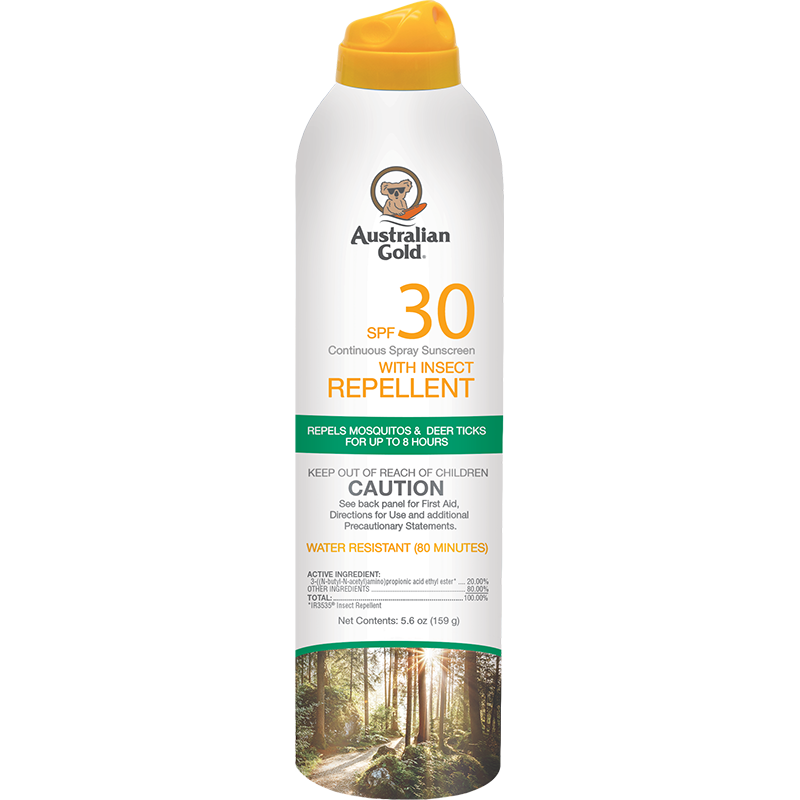
SPF 30 Continuous Spray with Insect Repellent
Positively Radiant Daily Moisturizer SPF 15 (earlier formula)Discontinued
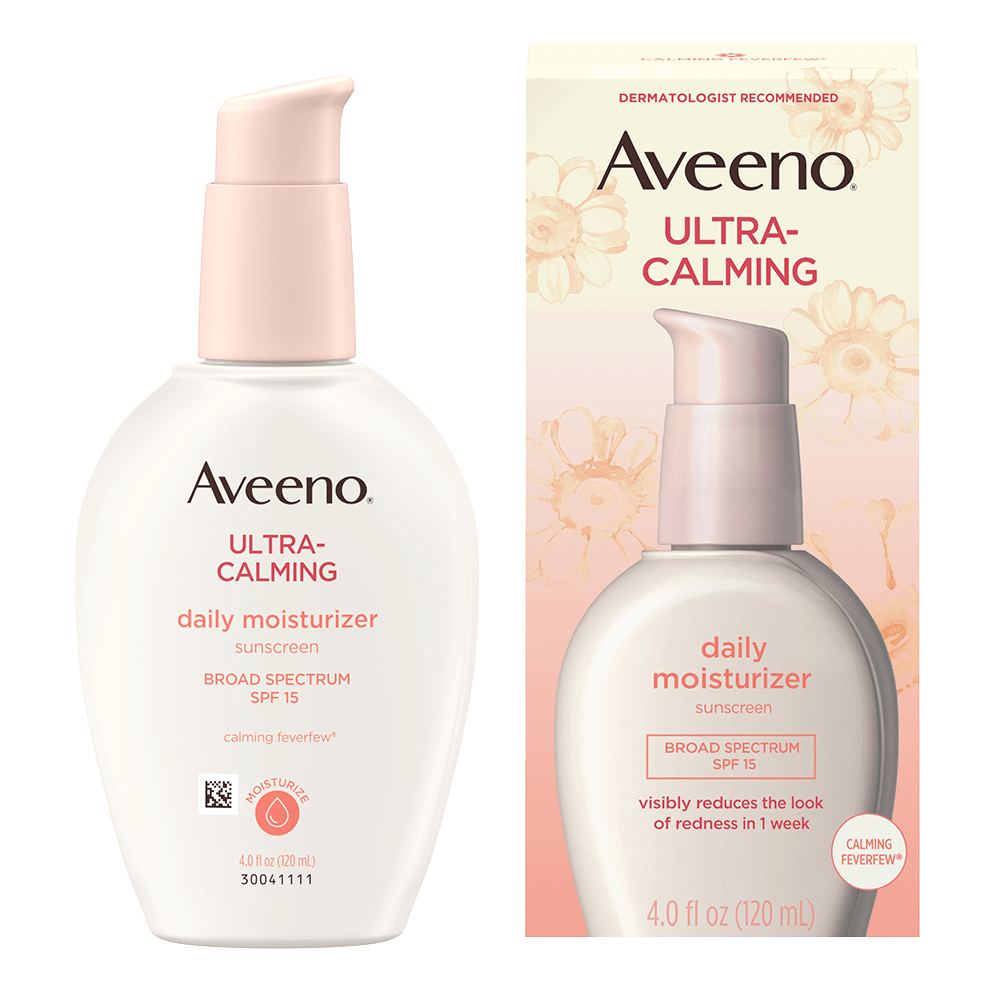
Ultra-Calming Daily Face Moisturizer SPF 15Discontinued
Mineral-Based Sunscreen Spray SPF 50+ (octinoxate formula)Discontinued
Mineral-Based Sunscreen Spray SPF 30 (octinoxate formula)Discontinued
Mineral-Based Sunscreen Lotion SPF 50+ (octinoxate formula)Discontinued
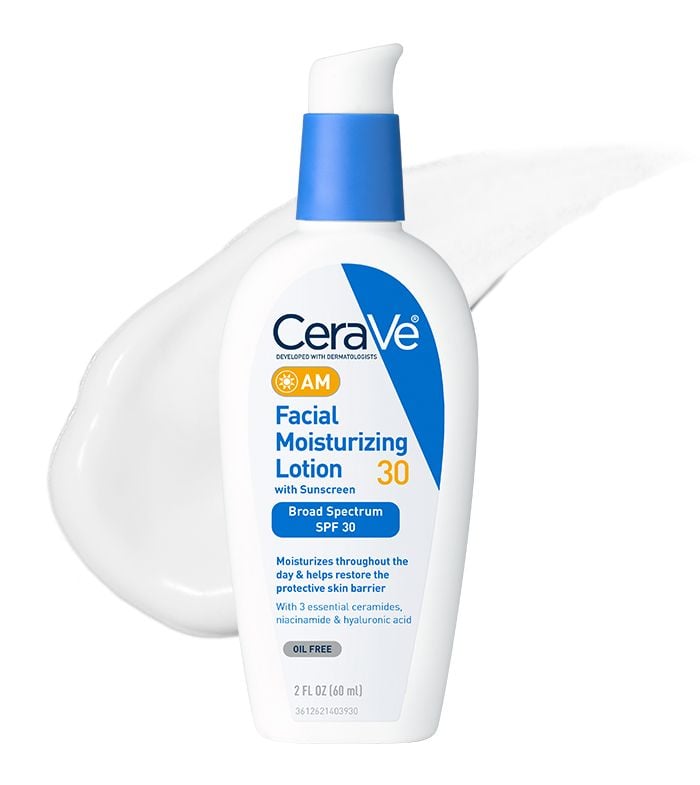
AM Facial Moisturizing Lotion SPF 30
AM Facial Moisturizing Lotion SPF 30 (earlier formula)Discontinued
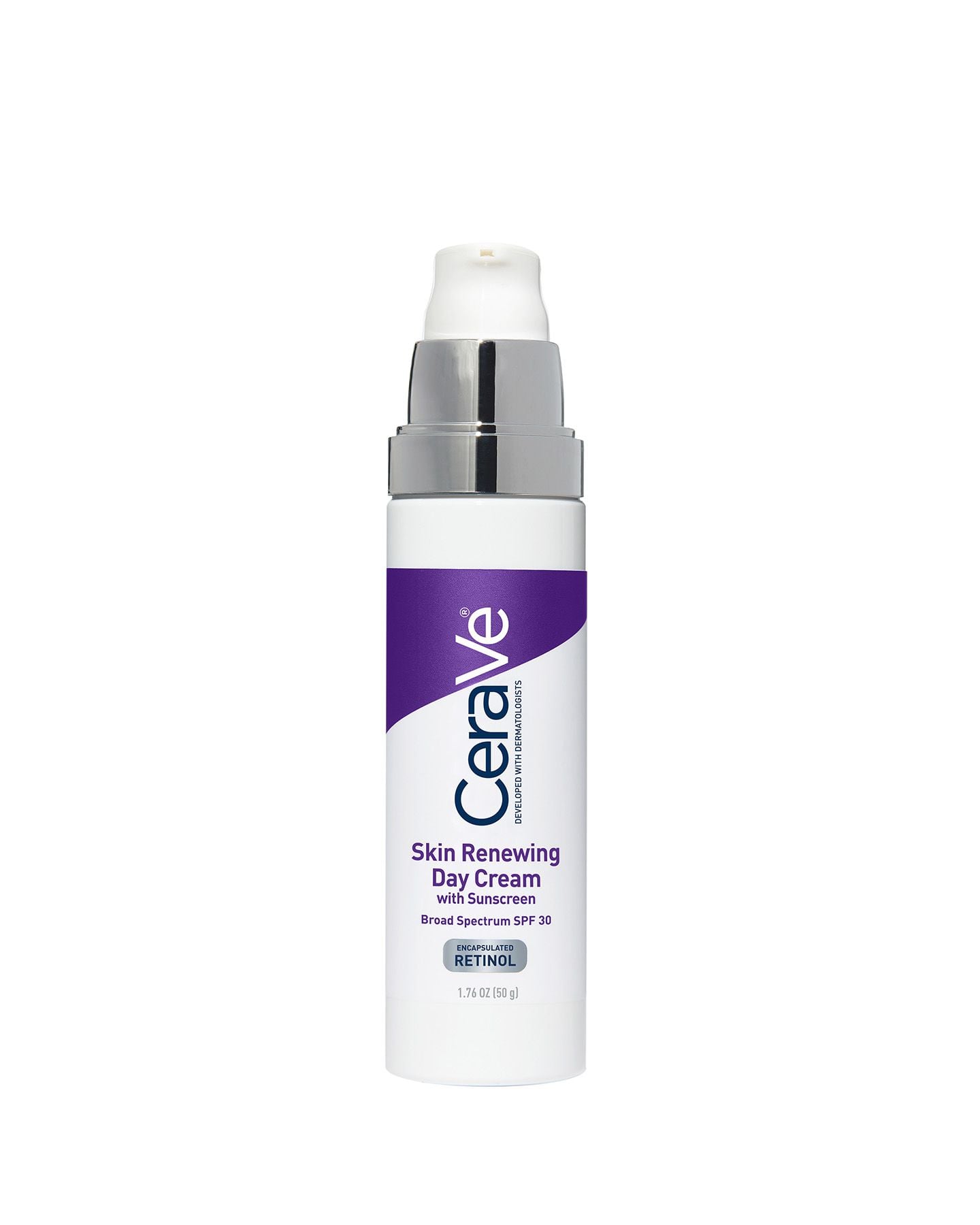
Skin Renewing Day Cream SPF 30
Sport Sunscreen Spray SPF 100
Defend & Care Clear Zinc Face Sunscreen Lotion SPF 50

Kids Sport Sunscreen Spray SPF 100
See all 35 products that list octinoxate →
Related ingredients: Oxybenzone, Octocrylene, Avobenzone
Last reviewed October 14, 2026.