U.S. National Parks with coral reefs (NPS guidance) sunscreen guidance
The National Park Service advises visitors to coral-reef parks, such as Dry Tortugas, Biscayne, Virgin Islands National Park and War in the Pacific, to avoid sunscreens containing oxybenzone, octinoxate or avobenzone. It recommends products whose only actives are zinc oxide or titanium dioxide. This is guidance, not a ban. Separate local laws may still apply, for example in the USVI and Hawaii.
Last verified October 14, 2026 · National Park Service guidance: 'Protect Yourself, Protect the Reef' (not a regulation)
Ingredients to avoid
| Ingredient | Also called | Type |
|---|---|---|
| Oxybenzone | benzophenone-3, benzophenone 3 | UV filter |
| Octinoxate | ethylhexyl methoxycinnamate, octyl methoxycinnamate | UV filter |
| Avobenzone | butyl methoxydibenzoylmethane, parsol 1789 | UV filter |
The details
- NPS says it has found high concentrations of some of these chemicals in water samples taken around coral reef sites.
- NPS warns that a 'reef-friendly' label can still hide harmful ingredients, and advises checking the active-ingredient list.
- It also recommends UV-protective clothing, shade, and avoiding midday sun to reduce the amount of sunscreen entering the water.
- No effective date is given because this is guidance, not a legal requirement. The NPS page was last updated September 30, 2022.
Sunscreens that meet this guidance in U.S. National Parks with coral reefs
388 of 988 products we track pass; 599 don’t.Browse all 388 →
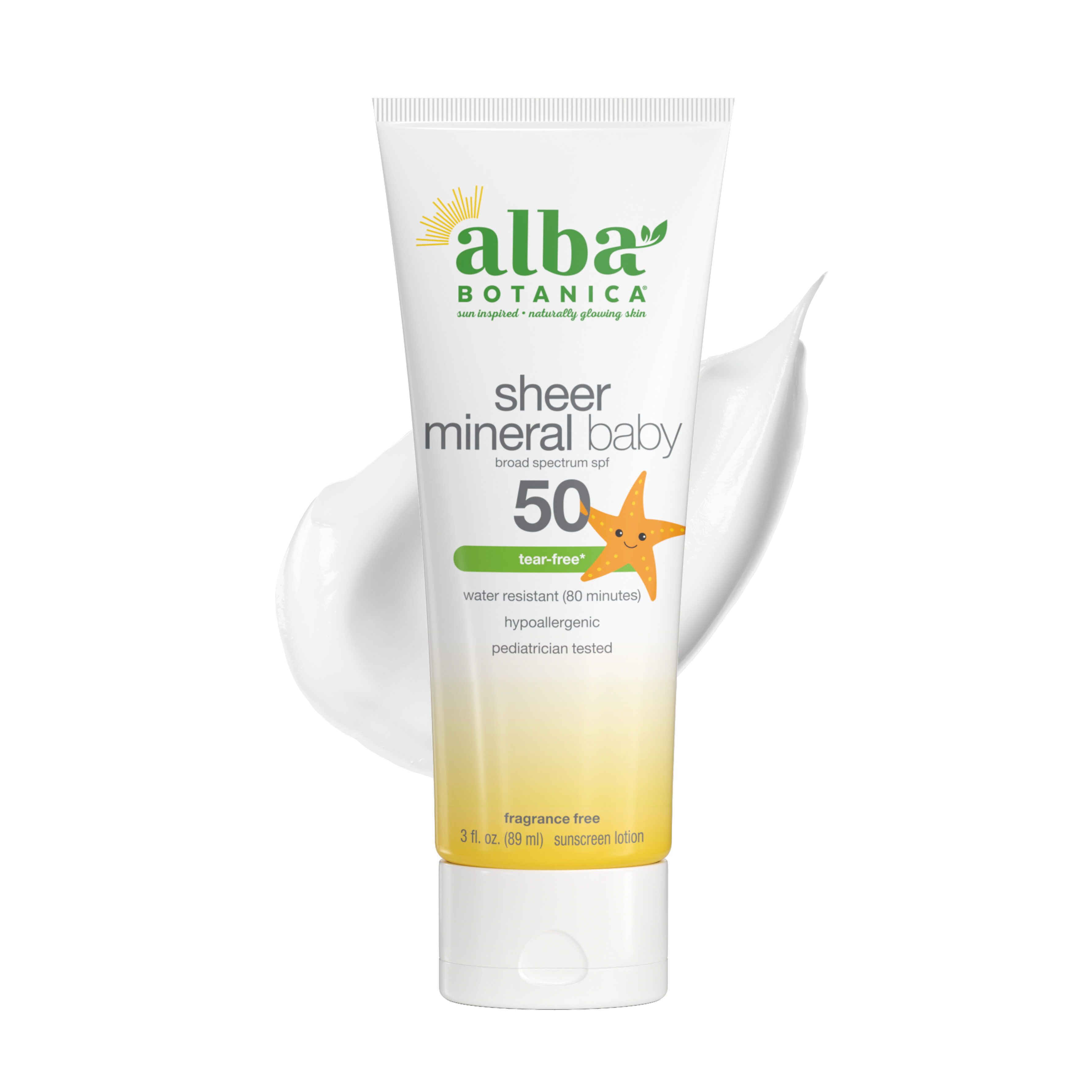
Baby Mineral Sunscreen Lotion SPF 50
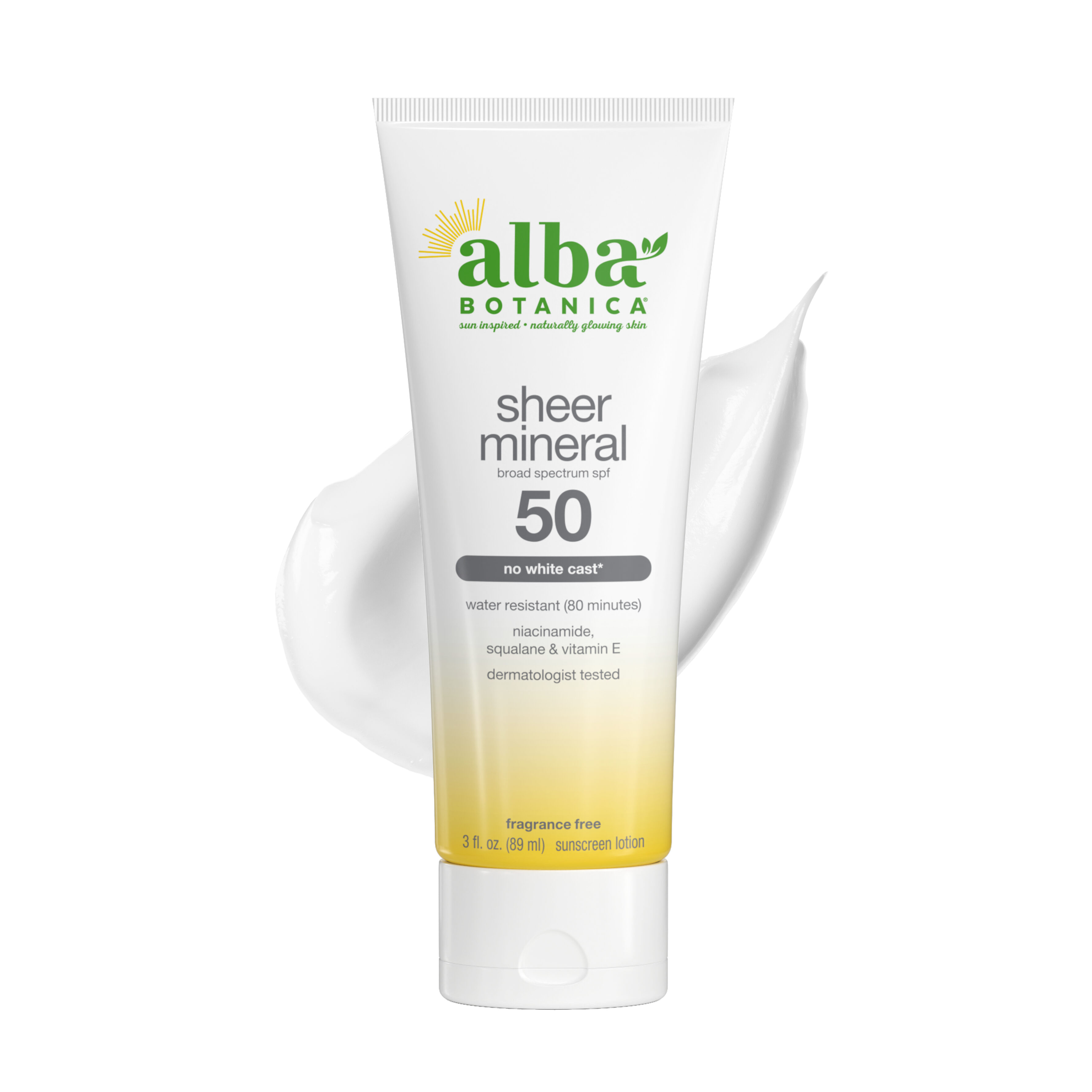
Sheer Mineral Sunscreen Lotion SPF 50
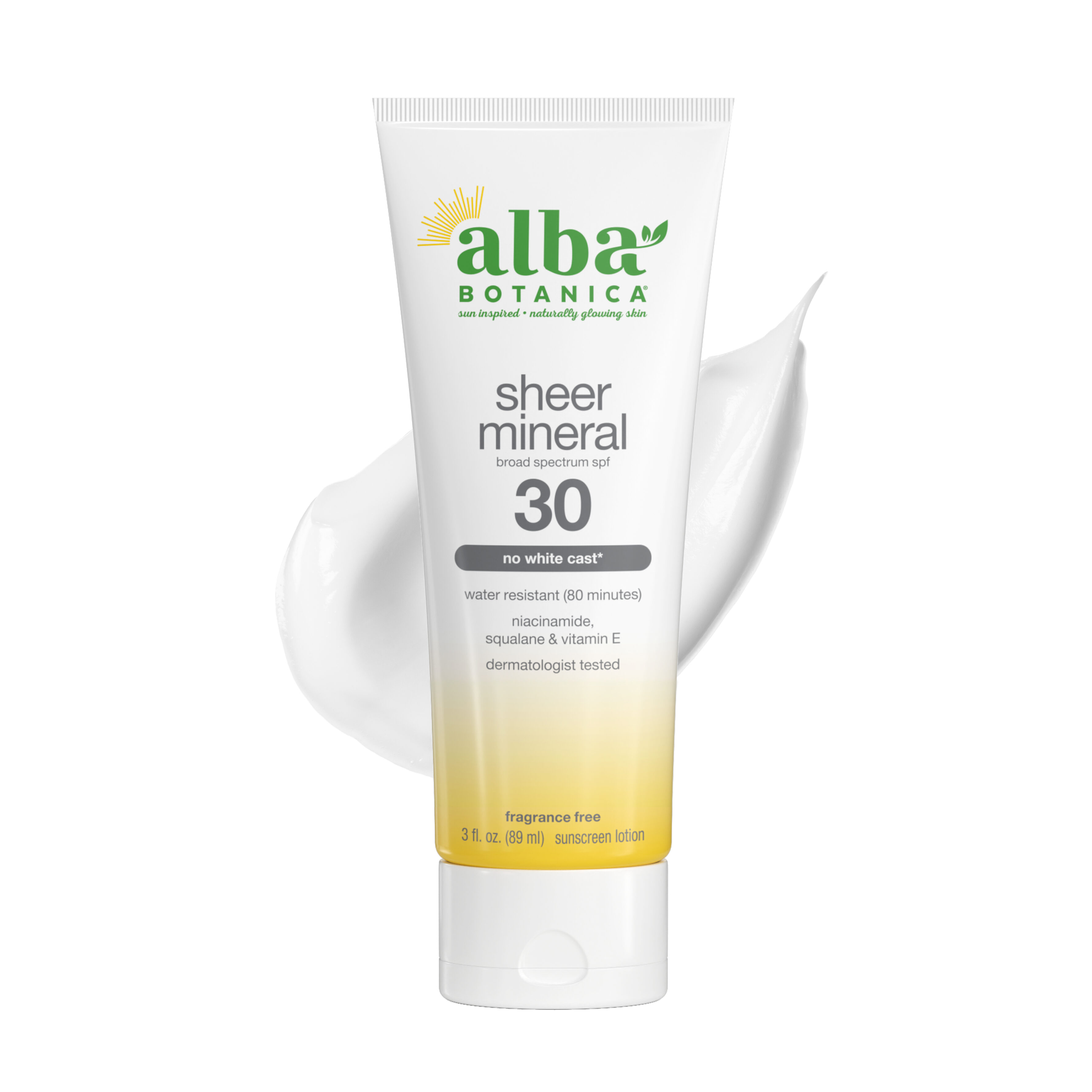
Sheer Mineral Sunscreen Lotion SPF 30
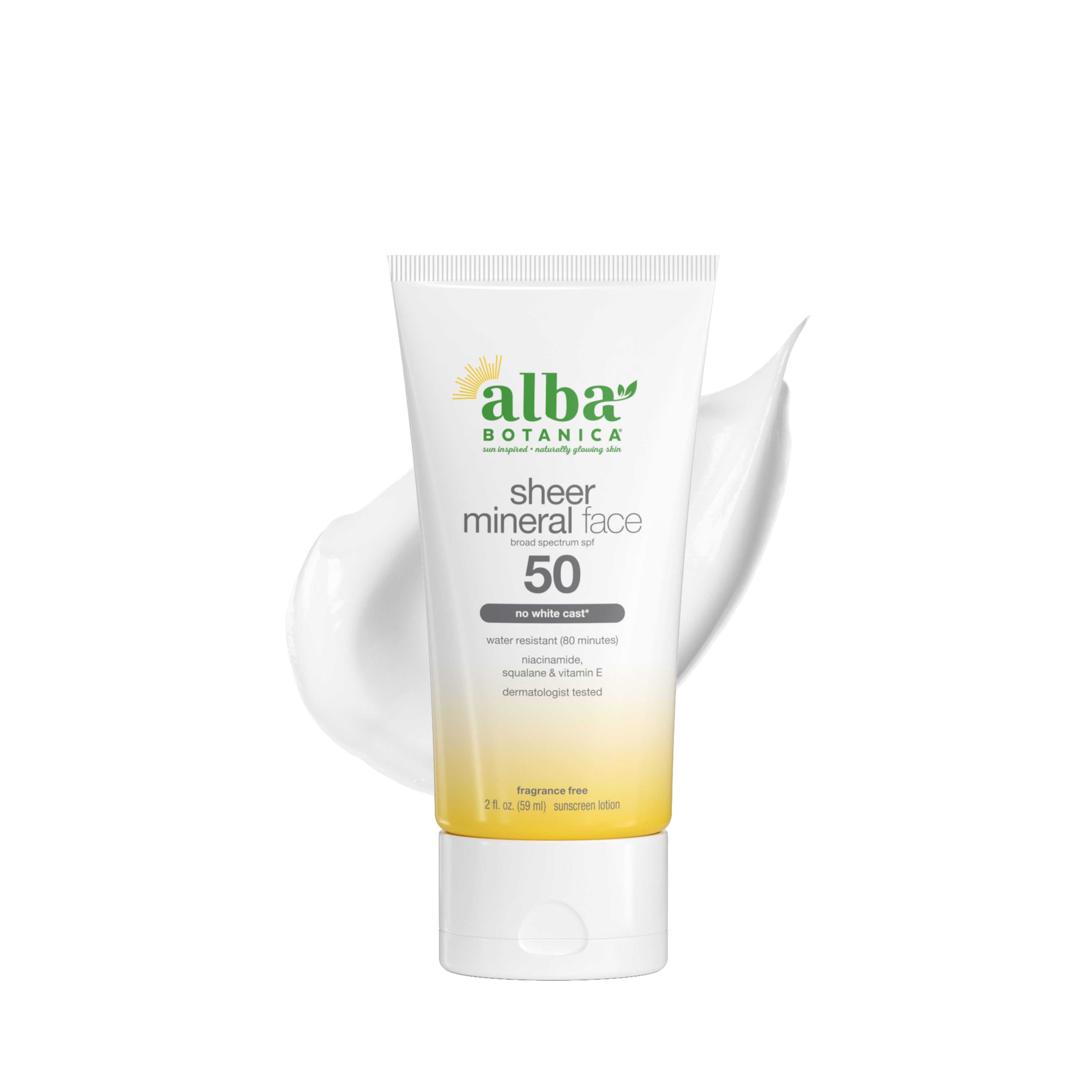
Sheer Mineral Sunscreen Face Lotion SPF 50
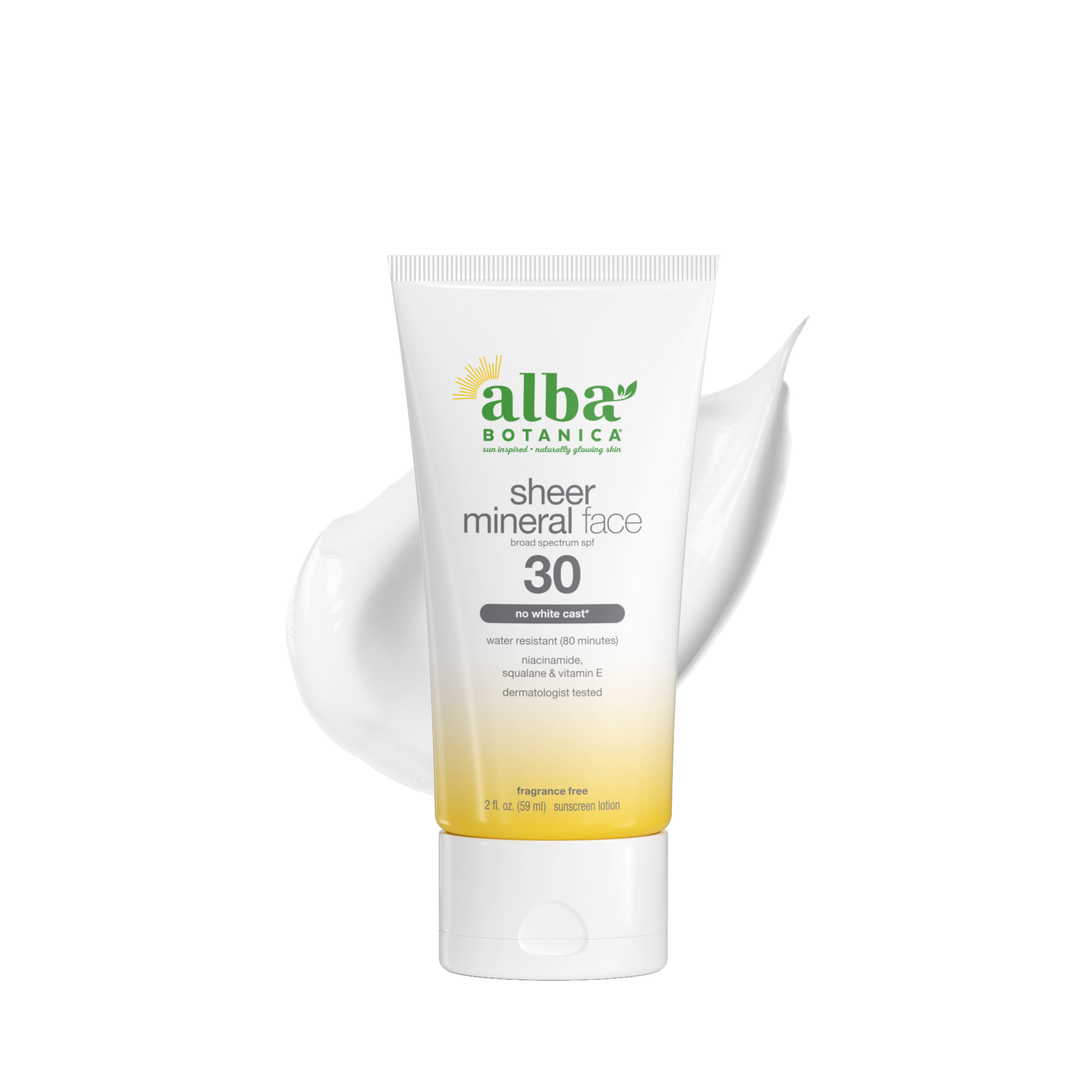
Sheer Mineral Sunscreen Face Lotion SPF 30
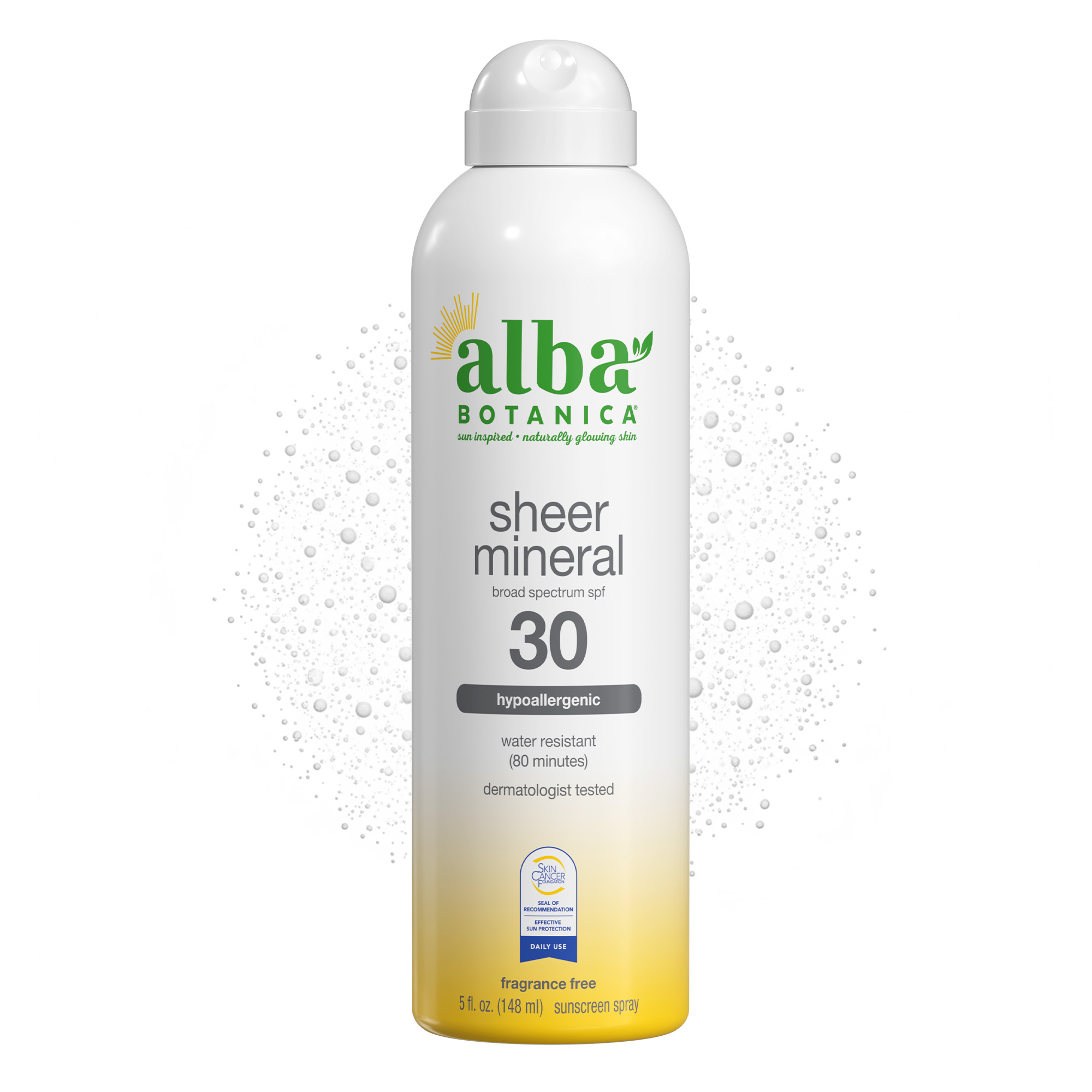
Sheer Mineral Sunscreen Spray SPF 30
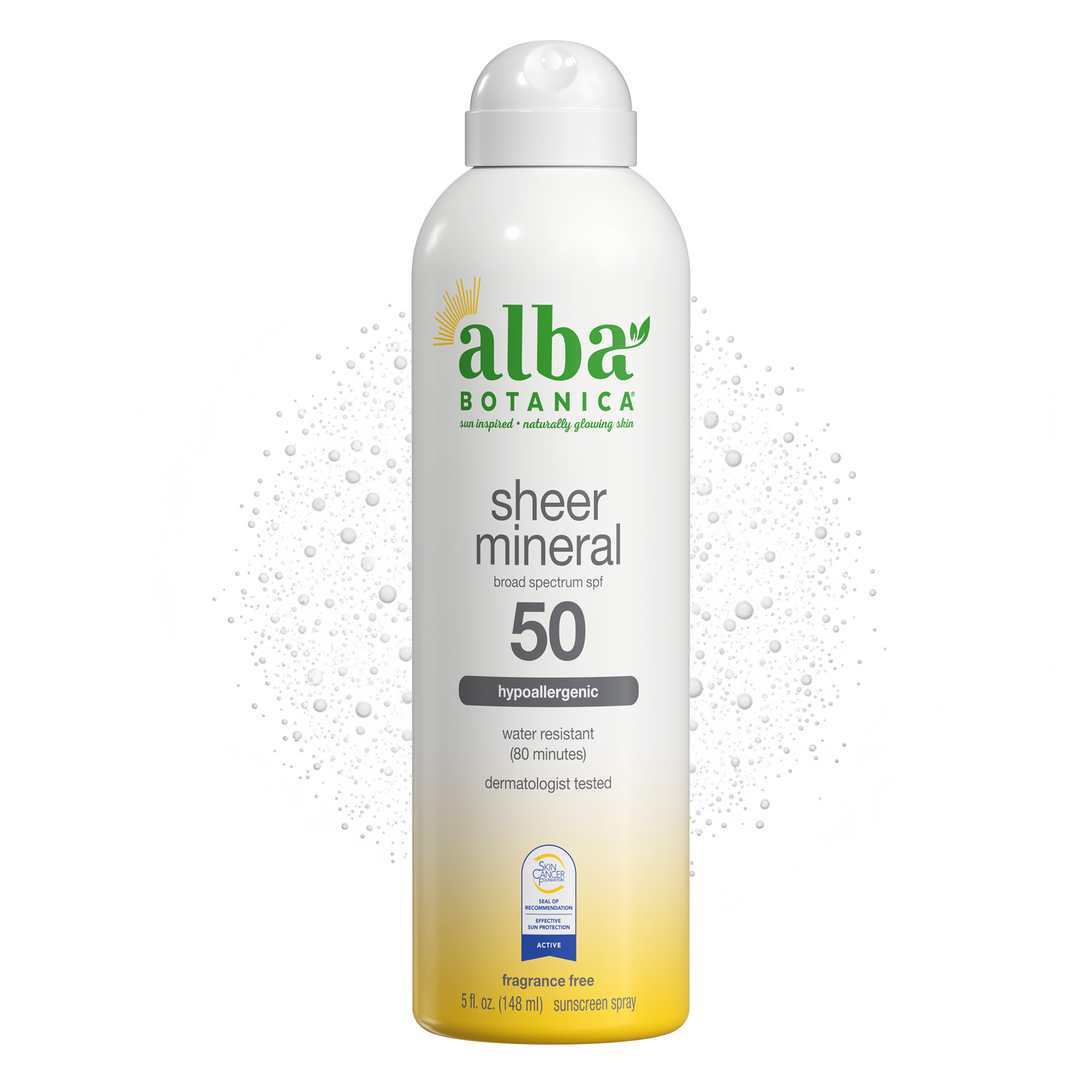
Sheer Mineral Sunscreen Spray SPF 50
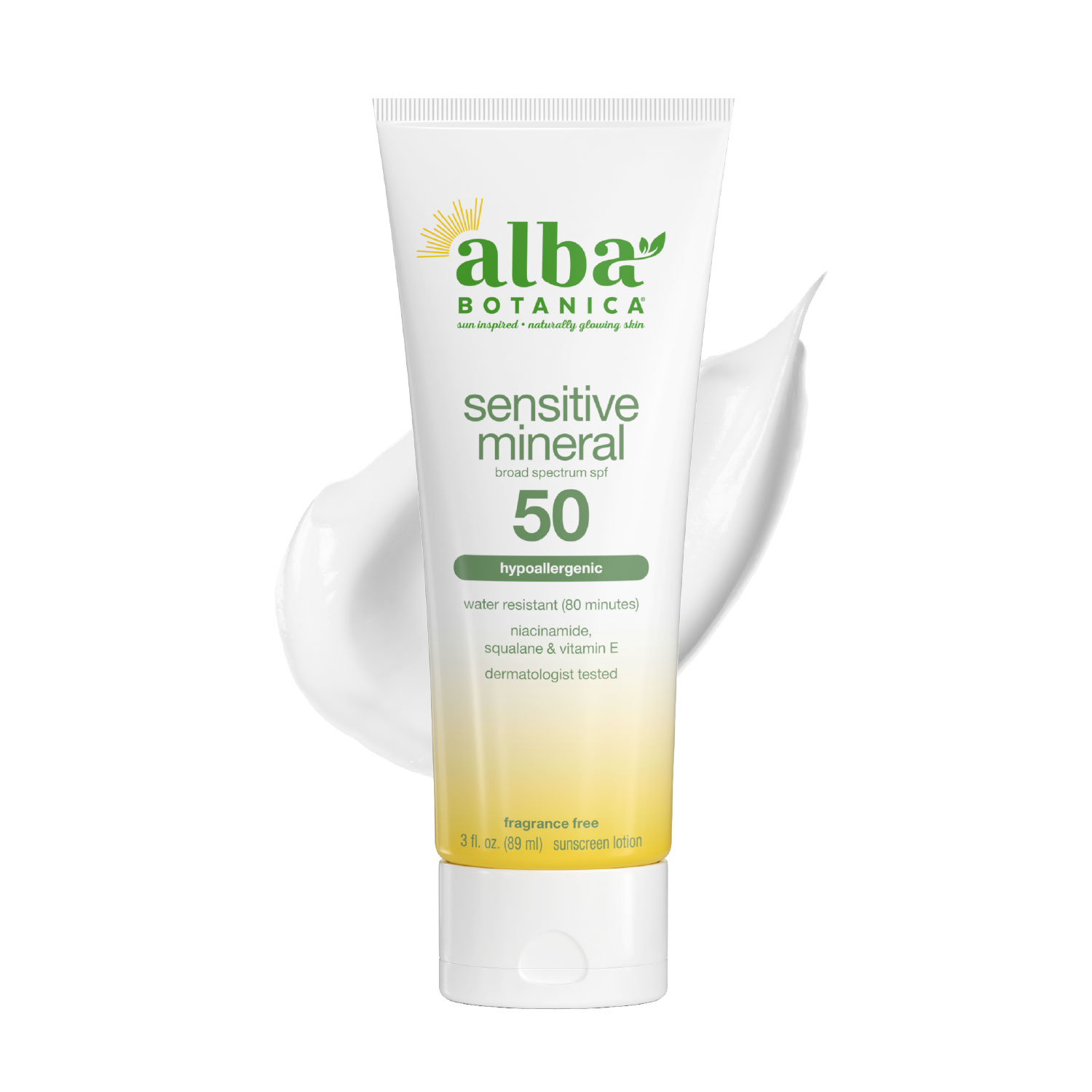
Sensitive Mineral Sunscreen Lotion SPF 50
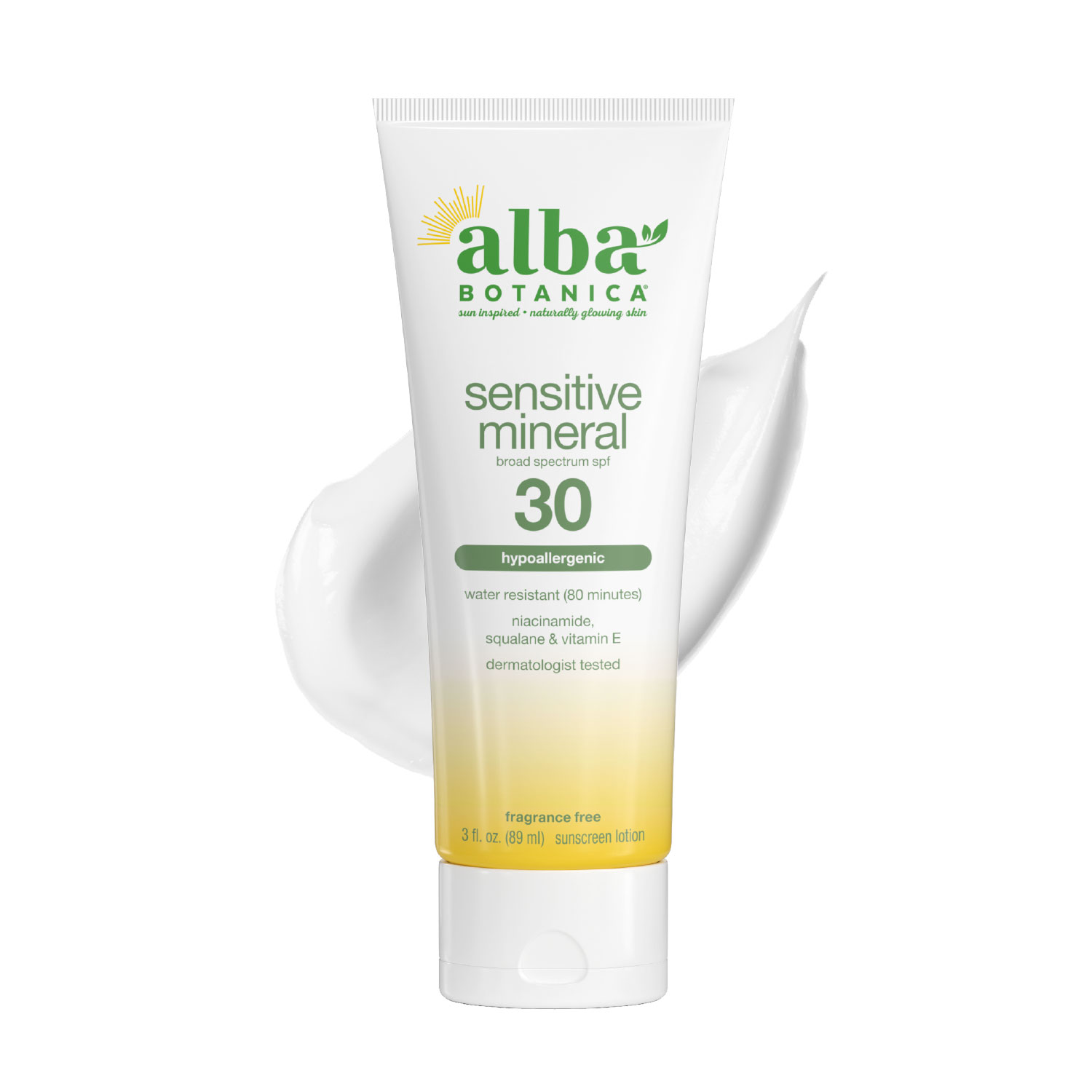
Sensitive Mineral Sunscreen Lotion SPF 30

SPF 30 Sport Mineral Sunscreen Lotion

SPF 30 Kids Mineral Sunscreen Lotion

SPF 30 Sport Mineral Sunscreen Spray
By brand
Common questions
What sunscreen ingredients are banned in U.S. National Parks with coral reefs?
Oxybenzone, Octinoxate, Avobenzone.
When did the U.S. National Parks with coral reefs sunscreen rule take effect?
No fixed effective date.
Which sunscreens are allowed in U.S. National Parks with coral reefs?
Of the 988 products we track, 388 meet the U.S. National Parks with coral reefs rule. The simplest choice is a sunscreen with only zinc oxide and/or titanium dioxide as active ingredients.