Oxybenzone
The most widely regulated sunscreen chemical in the world, and the ingredient that started the reef-safe movement.
Banned in
- Hawaii
- U.S. Virgin Islands
- Palau
- Aruba
- Guam
- Northern Mariana Islands
- Thailand
Also excluded where only mineral sunscreen is allowed
- Maui County
- Hawaiʻi County
Is Oxybenzone safe for your skin?
Regulators differ by use. The EU found oxybenzone safe at 6% in face and hand products but not in body sunscreens at that level, and Australia's TGA recommends tighter limits. The US FDA lists it among 12 filters needing more data and says that is not a finding that they are unsafe. Blood-level studies show it is absorbed and persists, and whether it affects hormones in people is unresolved.
- FDA: oxybenzone is one of 12 US sunscreen filters proposed as lacking enough data to be classed as safe and effective. The FDA says this is not a conclusion that they are unsafe.
- Absorption: in an FDA-run trial of 48 adults (Matta et al., JAMA 2020), oxybenzone peak blood levels were 258.1 ng/mL after lotion and 180.1 ng/mL after aerosol spray. That is far above the 0.5 ng/mL level the FDA uses to decide whether extra safety studies are needed, and levels stayed above it in more than half of participants for 21 days. The authors said the results do not mean people should stop using sunscreen.
- EU SCCS (2021): 6% oxybenzone was judged safe in face cream, hand cream and lipsticks but not in body creams and sprays, where 2.2% was judged safe. The EU adopted these limits in 2022. The SCCS called the evidence that oxybenzone is an endocrine disruptor inconclusive and at best equivocal, and said it needs further investigation.
- Australia's TGA (2025) found a margin of safety below the satisfactory 100 for whole-body use at the current 10% maximum, and recommended restricting concentrations and use. Margins were above 100 for adults in most face and hand scenarios, but not for twice-daily use all year on head and hands, or for whole-family scenarios.
- Endocrine questions: the TGA said the data show potential endocrine effects but are not adequate to classify oxybenzone as an endocrine disruptor. It cited rat studies with reduced anogenital distance in male pups and delayed follicle development in females. A systematic review it cites found no adverse effect on fertility, fetal growth or neurodevelopment, but found associations with thyroid hormone, testosterone, kidney function and pubertal timing that need more study.
- Skin reactions: the TGA review notes oxybenzone is the second most frequent photo contact allergen among UV filters in a European patch-test study.
Sources (6)
- FDA: Questions and answers on FDA's regulatory actions on OTC sunscreen
- Matta et al. 2020, JAMA: effect of sunscreen application on plasma concentration of active ingredients
- SCCS (2021): Opinion on Benzophenone-3, SCCS/1625/20
- Commission Regulation (EU) 2022/1176
- TGA (Australia) 2025: Safety review of seven active sunscreen ingredients (page)
- TGA (Australia) 2025: Safety review of seven active sunscreen ingredients (PDF)
Last reviewed October 14, 2026. This summarises what regulators and published studies found. It isn't medical advice.
Where it’s restricted
Named in the law or guidance
| Location | Status | Since |
|---|---|---|
| Hawaii (statewide) law text ↗ | In force | January 1, 2021 |
| U.S. Virgin Islands law text ↗ | In force | March 30, 2020 |
| Palau law text ↗ | In force | January 1, 2020 |
| Aruba law text ↗ | In force | July 1, 2020 |
| Guam law text ↗ | In force | October 9, 2025 |
| Northern Mariana Islands (CNMI) law text ↗ | In force | July 1, 2021 |
| Thailand (all national parks) law text ↗ | In force | August 4, 2021 |
| Bonaire (Bonaire National Marine Park) law text ↗ | Advisory | — |
| U.S. National Parks with coral reefs (NPS guidance) law text ↗ | Advisory | — |
| Key West, Florida law text ↗ | Repealed | January 1, 2021 |
Also not allowed under mineral-only rules
Oxybenzone isn’t named in these laws, but they allow only mineral (zinc oxide or titanium dioxide) sunscreens, so a product containing it is excluded anyway.
- Maui County (Maui, Molokaʻi, Lānaʻi) (in force since October 1, 2022)
- Hawaiʻi County (Big Island) (in force since December 1, 2022)
Why it’s regulated
Hawaii's Act 104 (2018) bars sales of sunscreen containing oxybenzone or octinoxate without a prescription from 1 January 2021; the legislature found these chemicals cause coral mortality, bleaching and genetic damage and stated the aim of preserving coral reefs. The EU cut oxybenzone limits in Regulation 2022/1176 (7 July 2022) for human-health reasons, after its scientific committee found 6% in body creams and sprays not safe, with products meeting the old limits allowed on the market until 28 January 2023. In the US, FDA has proposed that sunscreens with oxybenzone lack enough data to be classed as safe and effective, which it says is not a finding that they are unsafe.
What the reef research says
Downs et al. (2016) exposed larvae of the coral Stylophora pistillata and cells from seven coral species to oxybenzone and reported deformity, bleaching and DNA damage, with toxicity higher in light: the 24-hour larval LC50 was 139 µg/L in light against 779 µg/L in darkness, and the deformity EC20 was 6.5 µg/L in light. The same paper measured oxybenzone at 0.8 to 19.2 µg/L at Hawaiian sites and 75 µg/L to 1.4 mg/L in the U.S. Virgin Islands. Vuckovic et al. (2022) found a sea anemone and a mushroom coral convert oxybenzone into glucoside conjugates that were strong photo-oxidants, and anemones without algal symbionts died at higher rates, which the authors say suggests greater risk to bleached corals. A survey of 19 Oahu sites (Mitchelmore et al. 2019) found oxybenzone in seawater below 10 ng/L at 12 sites and up to 136 ng/L at Waikiki, with 6.6 to 241 ng/g dry weight in coral tissue. A 2021 review of the coral literature found most near-reef UV-filter concentrations in the ng/L range and coral effects reported from µg/L to mg/L, with wide variation in test design, and the National Academies (2022) put the highest measured water concentrations of oxybenzone and similar filters at 1 to 10 µg/L, most below 1 µg/L. The National Academies did not carry out a risk characterization and called for a U.S. EPA ecological risk assessment, noting that coral endpoints such as bleaching have no standard test methods.
Sources (11)
- Downs et al. 2016, Archives of Environmental Contamination and Toxicology (PubMed record)
- National Academies (2022): Review of Fate, Exposure, and Effects of Sunscreens in Aquatic Environments
- National Academies (2022), Summary chapter
- Mitchelmore et al. 2019, Science of the Total Environment: UV-filters in Hawaii seawater, sediment and coral tissue (PubMed record)
- Mitchelmore et al. 2021, Environ Toxicol Chem: critical review of organic UV filter risk to corals
- Vuckovic et al. 2022, Science: oxybenzone glucoside conjugates in anemones and corals
- Hawaii Act 104 (2018), Session Laws
- Commission Regulation (EU) 2022/1176
- FDA: Questions and answers on FDA's regulatory actions on OTC sunscreen
- Commission Regulation (EU) 2022/1176 (oxybenzone and octocrylene in Annex VI), Official Journal
- 21 CFR 352.10, Sunscreen active ingredients (eCFR; ensulizole, meradimate, octinoxate and octisalate appear under their revised names in the stayed 2002 amendment)
Products that contain it (47)
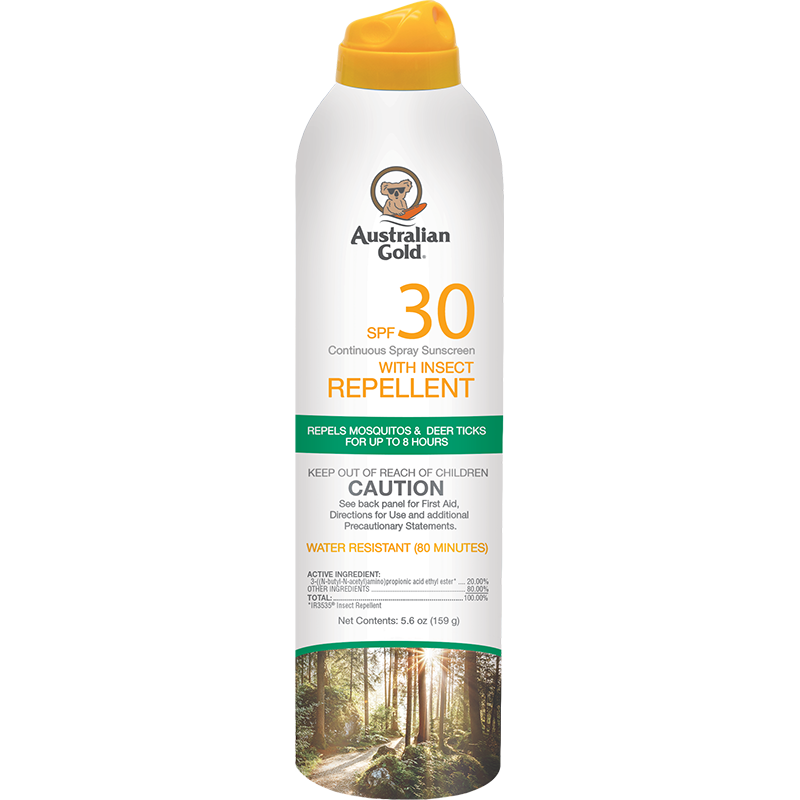
SPF 30 Continuous Spray with Insect Repellent
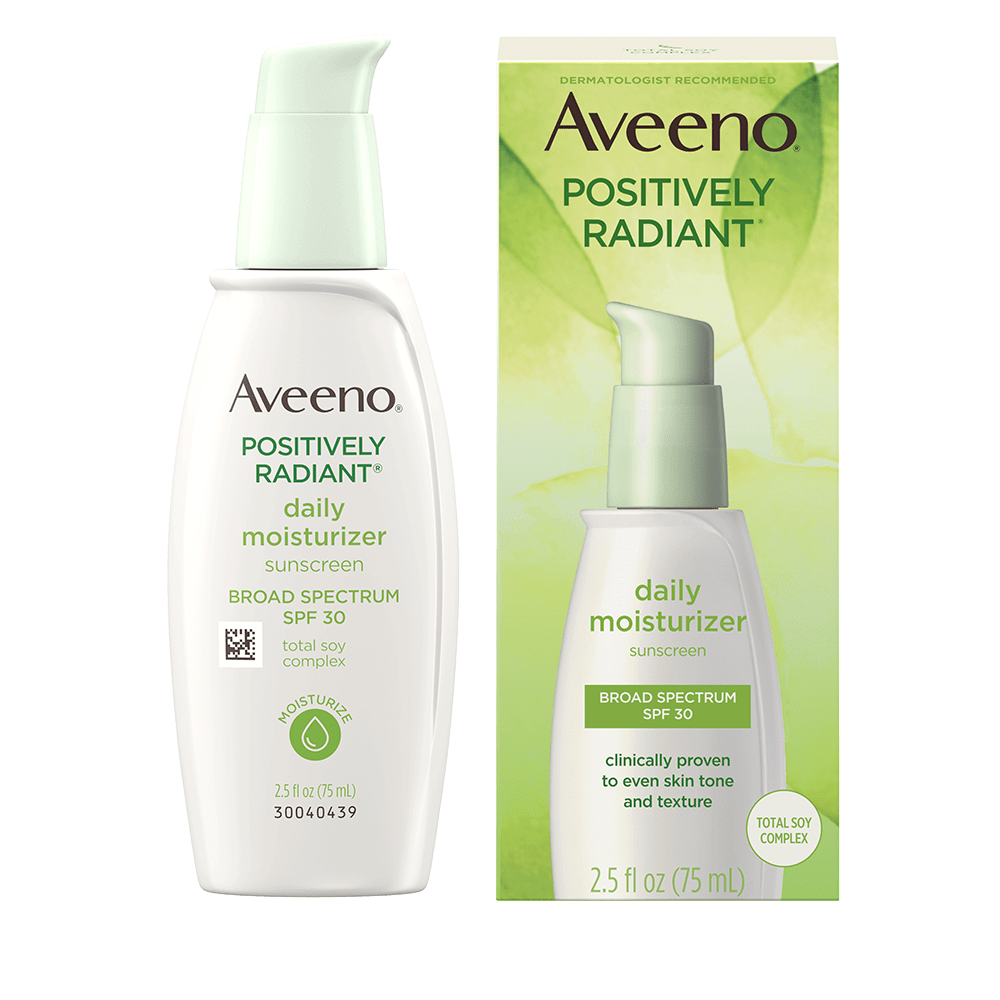
Positively Radiant Daily Face Moisturizer SPF 30 (earlier formula)Discontinued
Protect + Hydrate Sunscreen for Face SPF 50Discontinued
Protect + Hydrate Sunscreen Lotion SPF 70Discontinued
Daily Moisturizing Lotion Sunscreen SPF 15Discontinued
Protect + Hydrate Sunscreen Lotion SPF 30 (earlier formula)Discontinued
Sport Ultra Sunscreen Lotion SPF 100
Sport Ultra Sunscreen Lotion SPF 100 (octocrylene 8% formula)
Sport Ultra Clear Sunscreen Spray SPF 100Discontinued
Ultra Defense Clear Sunscreen Spray SPF 100
Kids Max Protect & Play Clear Sunscreen Spray SPF 100
Kids Max Protect & Play Sunscreen Lotion SPF 100
See all 47 products that list oxybenzone →
Related ingredients: Octinoxate, Octocrylene, Avobenzone
Last reviewed October 14, 2026.